Indian temples are more than places of worship—they are living testaments to India’s spiritual, cultural, and artistic heritage. From the towering gopurams of the South to the intricately carved stone temples of the North, they showcase extraordinary architecture, sculpture, and frescoes that blend devotion with creativity. Serving as both spiritual centers and cultural repositories, temples preserve traditional art, narrate mythological stories, and reflect centuries of craftsmanship, illustrating the enduring connection between faith and artistic expression.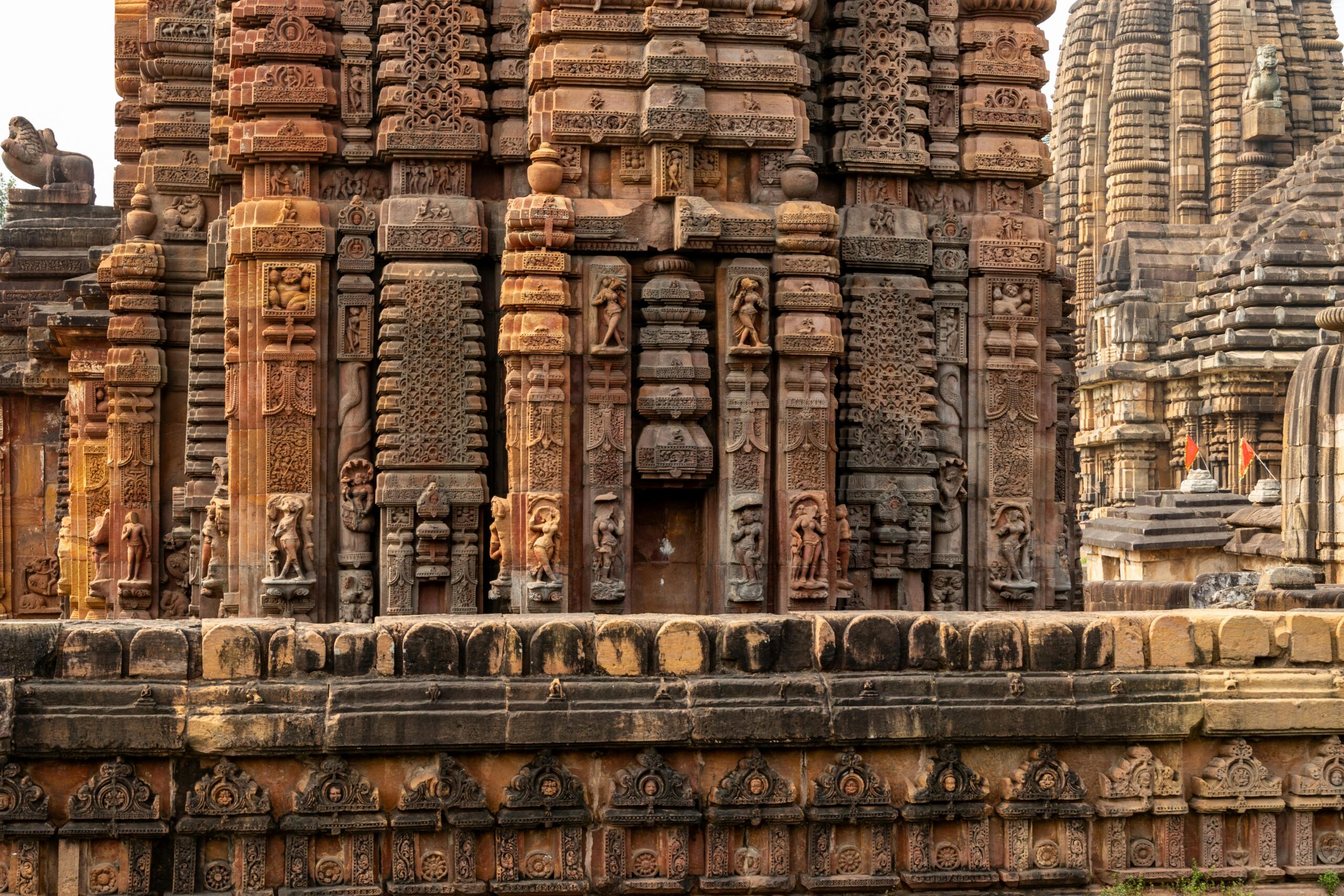
The Spiritual Significance of Temples in Indian Art
In Indian tradition, temples are sacred spaces designed as symbolic representations of the universe, guided by principles from texts like Vastu Shastra and Shilpa Shastra. Beyond serving as places of worship, they have historically been centers of cultural activity, education, and artistic creation, with temple art—sculptures, murals, and carvings—depicting gods, mythological scenes, and spiritual teachings. These artistic elements not only inspire devotion but also create a vast visual narrative that reflects divine power, cosmic order, and the connection between humans and the spiritual realm.
Historical Evolution of Temple Architecture
Indian temple architecture has evolved over centuries, shaped by regional traditions, ruling dynasties, and cultural influences. Although styles vary widely across the country, historians generally classify Indian temple architecture into three main categories:
-
Nagara Style – dominant in North India
-
Dravidian Style – prevalent in South India
-
Vesara Style – a hybrid form found mainly in the Deccan region
Each architectural style reflects distinctive artistic traditions and structural elements.
Dravidian Temple Architecture
The Dravidian style, common in South India, is known for its monumental scale and elaborate ornamentation. One of its most recognizable features is the gopuram, a towering gateway structure covered with intricate sculptures and decorative elements.
Dravidian temples typically include large courtyards, pillared halls, and towering pyramidal structures known as vimanas located above the sanctum. These temples often display thousands of sculptures representing deities, mythological characters, celestial beings, and scenes from daily life.
A remarkable example of Dravidian architecture is the Brihadeeswarar Temple in Thanjavur, built during the Chola dynasty. Recognized as a UNESCO World Heritage Site, the temple is celebrated for its grand scale and architectural precision. Its central tower rises more than 200 feet and features detailed carvings of divine figures and mythical creatures.
Another iconic example is the Meenakshi Temple in Madurai, famous for its colorful gopurams adorned with thousands of sculpted figures. The temple complex reflects the artistic brilliance of South Indian temple builders and continues to attract visitors from around the world.
Nagara Temple Architecture
In contrast, the Nagara style of North India features a more compact design with a distinctive shikhara, or curving tower, rising above the sanctum. The shikhara often resembles a beehive or mountain peak, symbolizing the connection between the earthly realm and the heavens.
One of the finest examples of Nagara architecture is the Khajuraho Group of Monuments in Madhya Pradesh, another UNESCO World Heritage Site. The temples of Khajuraho are celebrated for their remarkable sculptures that portray gods, celestial beings, dancers, musicians, and scenes from everyday life.
The Kandariya Mahadeva Temple, dedicated to Lord Shiva, stands as the largest and most elaborate temple within the Khajuraho complex. Its towering shikhara is adorned with hundreds of intricately carved figures, demonstrating the extraordinary skill of medieval artisans.
The sculptures at Khajuraho are especially admired for their expressive detail and fluid movement, which capture both divine and human experiences with remarkable realism.
Vesara Temple Architecture
The Vesara style represents a fusion of the Nagara and Dravidian traditions. This architectural style developed primarily in the Deccan region during the rule of the Chalukya and Hoysala dynasties.
Vesara temples often feature star-shaped platforms, ornate carvings, and richly decorated surfaces. The temples constructed by the Hoysala rulers in Karnataka are particularly famous for their artistic complexity.
The Chennakesava Temple in Belur and the Hoysaleswara Temple in Halebidu are outstanding examples of Vesara architecture. These temples are known for their detailed sculptures that cover nearly every surface of the structure.
Scenes from the Ramayana, Mahabharata, and other Hindu epics are depicted in intricate carvings, along with representations of dancers, musicians, animals, and mythical beings. The delicate craftsmanship of these sculptures reflects the high level of artistic mastery achieved during the Hoysala period.
Artistry in Stone and Paint
Indian temples are extraordinary artistic environments where architecture, sculpture, and painting come together to form a unified aesthetic experience. These sacred spaces showcase some of the most remarkable examples of traditional Indian art.
Stone Sculptures: Divine and Human Narratives
Stone carvings play a central role in temple art. These sculptures are not simply decorative; they represent philosophical ideas, mythological stories, and spiritual teachings.
Many temple sculptures portray gods and goddesses in dynamic poses that symbolize cosmic forces. At the same time, they also depict human activities, animals, and natural elements, reflecting the interconnectedness of life and spirituality.
One of the most iconic representations in Indian temple sculpture is Nataraja, the dancing form of Lord Shiva. In this depiction, Shiva performs the Ananda Tandava, or cosmic dance, symbolizing the cycles of creation, preservation, and destruction.
The graceful movement and symbolic meaning of the Nataraja figure exemplify the profound spiritual depth of Indian art.
Frescoes and Murals: Stories in Color
In addition to sculptures, many temples feature murals and frescoes that adorn their walls and ceilings. These paintings serve as visual narratives that illustrate religious stories, historical events, and philosophical teachings.
The Ajanta Caves in Maharashtra are among the most famous examples of ancient Indian mural painting. Dating back to the 2nd century BCE, these paintings depict scenes from the life of the Buddha and the Jataka tales, which recount stories of his previous births.
Another significant site is the Kailasanatha Temple at Ellora, where vibrant murals and painted decorations enhance the architectural grandeur of the temple complex.
These paintings not only enrich the visual beauty of the temples but also preserve historical traditions of storytelling and artistic expression.
Architectural Ornamentation
Beyond sculptures and paintings, the very structure of Indian temples is intricately decorated. Pillars, doorways, windows, and ceilings often feature elaborate carvings of floral motifs, geometric patterns, and mythological imagery.
The detailed ornamentation seen in temples such as the Hoysaleswara Temple in Halebidu demonstrates the exceptional skill of traditional craftsmen. These decorative elements transform temple architecture into a living gallery of sacred art.
Temples as Centers of Performing Arts
Temples have also played a crucial role in nurturing music, dance, and theatrical traditions in India. Many classical art forms developed in temple environments where performances were offered as acts of devotion.
Temple complexes often include special halls known as Nritya Mandapas, or dance pavilions, where dancers and musicians performed for the deities during religious ceremonies.
For example, the temples of Odisha, including the Konark Sun Temple and the Jagannath Temple in Puri, have strong historical connections with the classical dance form Odissi. Sculptures carved into the temple walls often depict dancers in graceful poses, reflecting the deep relationship between temple art and performing arts.
Festivals and Cultural Celebrations
Temples also serve as vibrant centers for festivals and communal celebrations. These events combine religious rituals with artistic expressions such as music, dance, decorations, and processions.
One notable example is the Meenakshi Tirukalyanam festival held annually at the Meenakshi Temple in Madurai. The festival reenacts the divine wedding of Goddess Meenakshi and Lord Sundareswarar through elaborate rituals, performances, and colorful decorations.
Such festivals transform temple spaces into lively cultural hubs, bringing communities together and celebrating the artistic traditions associated with spiritual life.
The Relevance of Temple Art in Modern Times
Despite rapid modernization, temple art continues to hold significant cultural importance in India. Efforts are being made by governments, heritage organizations, and conservationists to preserve these historical monuments and restore their artistic features.
Restoration projects help protect ancient sculptures, murals, and architectural details from environmental damage and the effects of time. For example, conservation work at the Brihadeeswarar Temple has helped restore the brilliance of its carvings and structural elements.
These initiatives not only preserve historical heritage but also support traditional artisans who maintain ancient artistic techniques.
Contemporary Art Inspired by Temples
The influence of temple art extends into modern Indian art as well. Contemporary artists often draw inspiration from temple sculptures, mythological themes, and traditional design elements.
Many artists reinterpret images of gods, goddesses, and epic stories through modern artistic styles. At the same time, traditional craftsmanship—such as stone carving and mural painting—continues to be practiced and passed down through generations.
This ongoing dialogue between ancient traditions and modern creativity demonstrates the enduring impact of temple art on Indian visual culture.
Conclusion: Preserving a Living Heritage
The temples of India stand as extraordinary monuments that unite spirituality, art, architecture, and culture. From their majestic towers and intricate sculptures to their vibrant murals and sacred rituals, these structures reflect centuries of devotion and artistic achievement.
In a rapidly changing world, these temples remain powerful reminders of India’s artistic legacy and spiritual heritage. By preserving and appreciating these sacred spaces, we ensure that the timeless traditions of Indian art continue to inspire future generations.