
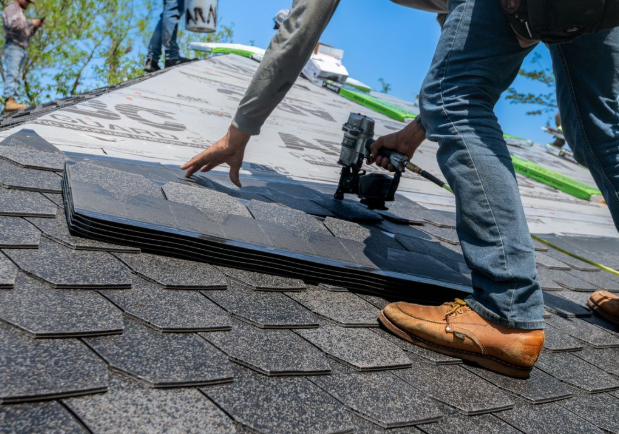
Pic Credit: Pexel
A roof rarely demands attention—until it suddenly does. For years, it quietly absorbs heat, rain, wind, and seasonal stress without complaint. Yet, this silence often hides a slow and steady decline. By the time a ceiling stain appears or a drip is noticed indoors, the real damage has usually already spread beneath the surface.
This is why proactive roof replacement is no longer just a repair decision—it is a forward-thinking home improvement strategy that protects not only the structure, but also comfort, health, and long-term financial stability.
When Damage Begins Before You See It
Roof problems almost never start dramatically. They begin with subtle wear that is easy to ignore—tiny cracks forming in surfaces, waterproof layers weakening, joints loosening, and materials aging under constant exposure.
Over time, these small issues quietly evolve into larger concerns:
- Moisture slowly entering walls and ceilings
- Paint and plaster losing strength and finish
- Insulation becoming less effective
- Damp patches and mold developing in hidden corners
- Gradual weakening of structural components
The most important reality is this: visible leakage is not the beginning of damage—it is often the final warning.
The Hidden Price of Waiting Too Long
Delaying roof replacement often feels harmless in the short term, but the consequences build quietly and steadily.
1. Structural fatigue
Water infiltration weakens concrete and corrodes reinforcement, slowly reducing the building’s strength.
2. Indoor health impact
Moist environments encourage mold growth, which can affect air quality and overall well-being.
3. Repeated repair cycles
Temporary fixes may offer relief, but they rarely solve the root cause, leading to recurring expenses.
4. Rising energy use
Damaged roofing reduces insulation efficiency, making interiors hotter and increasing cooling demand.
5. Falling property value
Visible roof issues signal neglect, which directly affects resale confidence and market value.
Why Proactive Replacement Changes Everything
Replacing a roof before it fails is not just maintenance—it is prevention with long-term returns.
A well-planned roof upgrade offers:
- Stronger resistance against weather extremes
- Improved indoor temperature control
- Lower long-term maintenance costs
- Better protection against moisture and seepage
- A noticeable increase in property value
Modern roofing systems are designed not just to cover a building, but to actively improve its performance.
Warning Signs That Should Never Be Ignored
Before major failure occurs, roofs usually show early signals:
- Repeated water stains on ceilings
- Cracks or uneven roof surfaces
- Rusting or corrosion in metal sheets
- Broken, slipped, or missing tiles
- Persistent indoor damp smell
- Noticeable increase in indoor heat
These signs are not minor inconveniences—they are early warnings of structural stress.
How Modern Roofing Has Evolved
Today’s roofing solutions are far more advanced than traditional systems. They are designed for durability, efficiency, and climate adaptation.
Metal Roofing
Lightweight yet strong, offering long service life and high weather resistance.
Bitumen & Shingle Systems
Flexible, waterproof, and effective for layered protection.
Concrete and RCC Roofing
Highly durable structures that can be enhanced with protective coatings.
Reflective Coated Surfaces
Designed to reduce heat absorption and improve indoor comfort naturally.
Maintenance: The Habit That Extends Roof Life
Even the best roof requires care. Maintenance is what ensures long-term performance and prevents early deterioration.
Regular upkeep helps to:
- Catch damage before it spreads
- Maintain waterproofing efficiency
- Prevent small cracks from becoming structural issues
- Avoid sudden emergency repairs
- Extend overall roof lifespan significantly
A simple inspection routine often prevents major financial burdens later.
A Shift in Thinking for Homeowners
Roof care should not be reactive. It should be planned.
A smarter approach includes:
- Acting before visible leaks appear
- Choosing durability over short-term savings
- Scheduling periodic inspections
- Treating roofing as a long-term asset
- Addressing small issues immediately
A roof is not just part of a house—it is the system that protects everything inside it.
Conclusion
A roof does far more than shelter a building—it defines how safe, comfortable, and efficient that building remains over time. Waiting for failure often leads to higher costs, deeper damage, and avoidable stress.
Proactive roof replacement shifts that narrative. It turns maintenance into prevention, and prevention into long-term protection.
In the end, the smartest roof repair is the one you never have to make urgently.