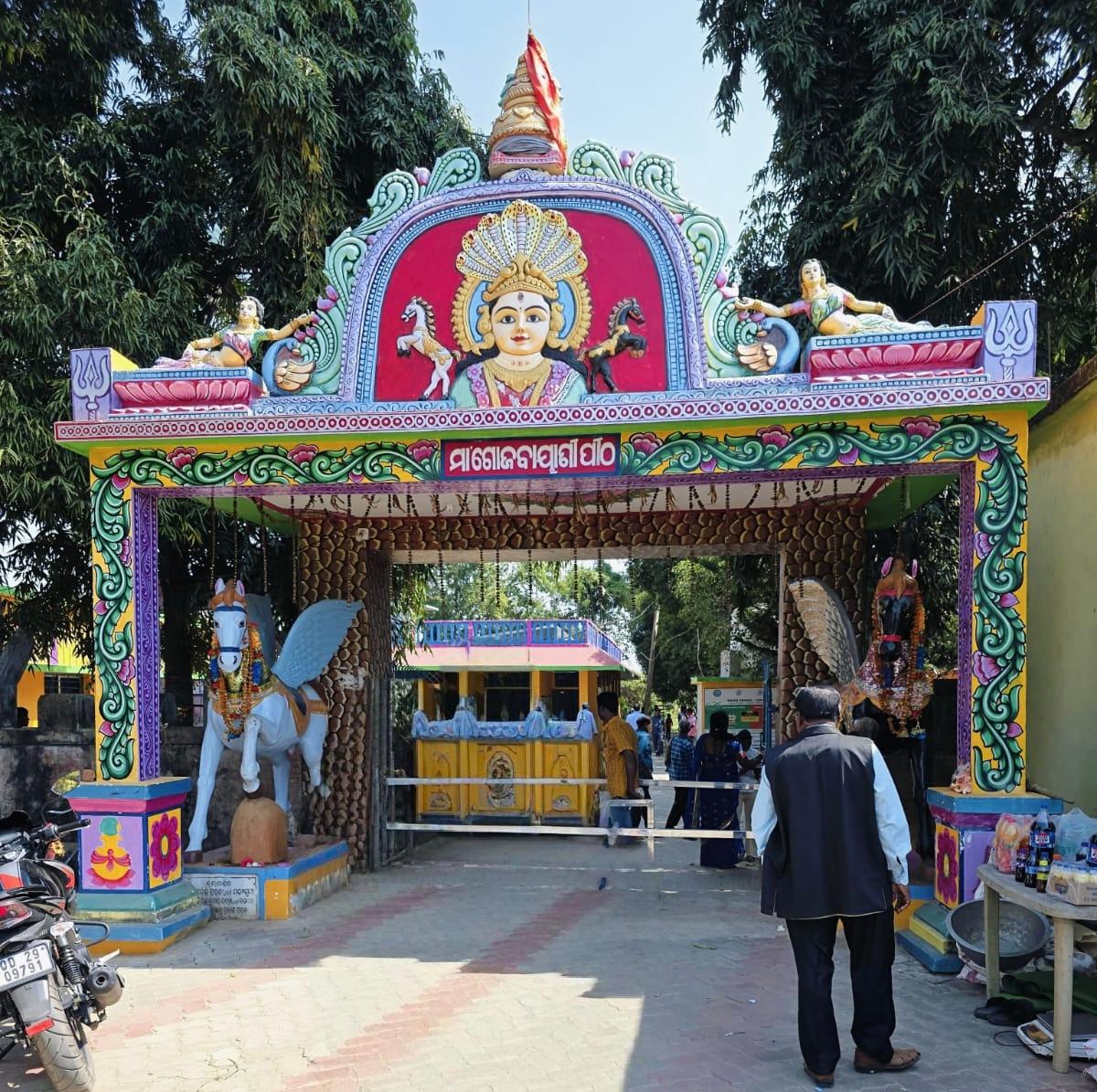
The Gojabayani Temple, located in the serene village of Marsaghai, Kendrapara, Odisha, is a remarkable testament to the region’s spiritual and cultural heritage. Nestled amidst lush landscapes, the temple attracts not only devotees but also tourists keen to explore its architectural splendor and rich historical background. Dedicated primarily to Goddess Gojabayani, and also revered for Lord Hanuman, this temple serves as a spiritual hub for the local community and a vibrant site of cultural activities.
Historical Background
The origins of Gojabayani Temple trace back to the early medieval period, estimated between the 10th and 12th centuries AD, during a flourishing era of Odisha temple architecture. Local legends recount the goddess’s triumph over a demon that plagued Marsaghai, and the temple was believed to be built at the site of this legendary victory. Historically, the temple was more than a place of worship; it acted as a center for community gatherings, preserving local traditions and artisanal practices while fostering cultural cohesion among residents.
Architectural Highlights
The temple exemplifies the Kalinga style of architecture, blending artistry and spirituality. Built from limestone and sandstone, it has withstood centuries while retaining its intricate carvings and sculptures. The entrance is adorned with elaborate doorframes depicting deities and mythological stories, while inner columns feature floral and geometric motifs. The temple’s curvilinear shikhara rises gracefully above the sanctum, symbolizing the spiritual ascent toward the divine. Within the sanctum resides a beautifully carved idol of Goddess Gojabayani, reinforcing the temple’s role as a key pilgrimage site.
Religious Practices and Festivals
Gojabayani Temple is a vibrant center of worship, with daily puja rituals in the morning and evening conducted with devotion. Devotees offer flowers, fruits, and sweets, while ceremonial lamps and chants fill the temple with spiritual energy.
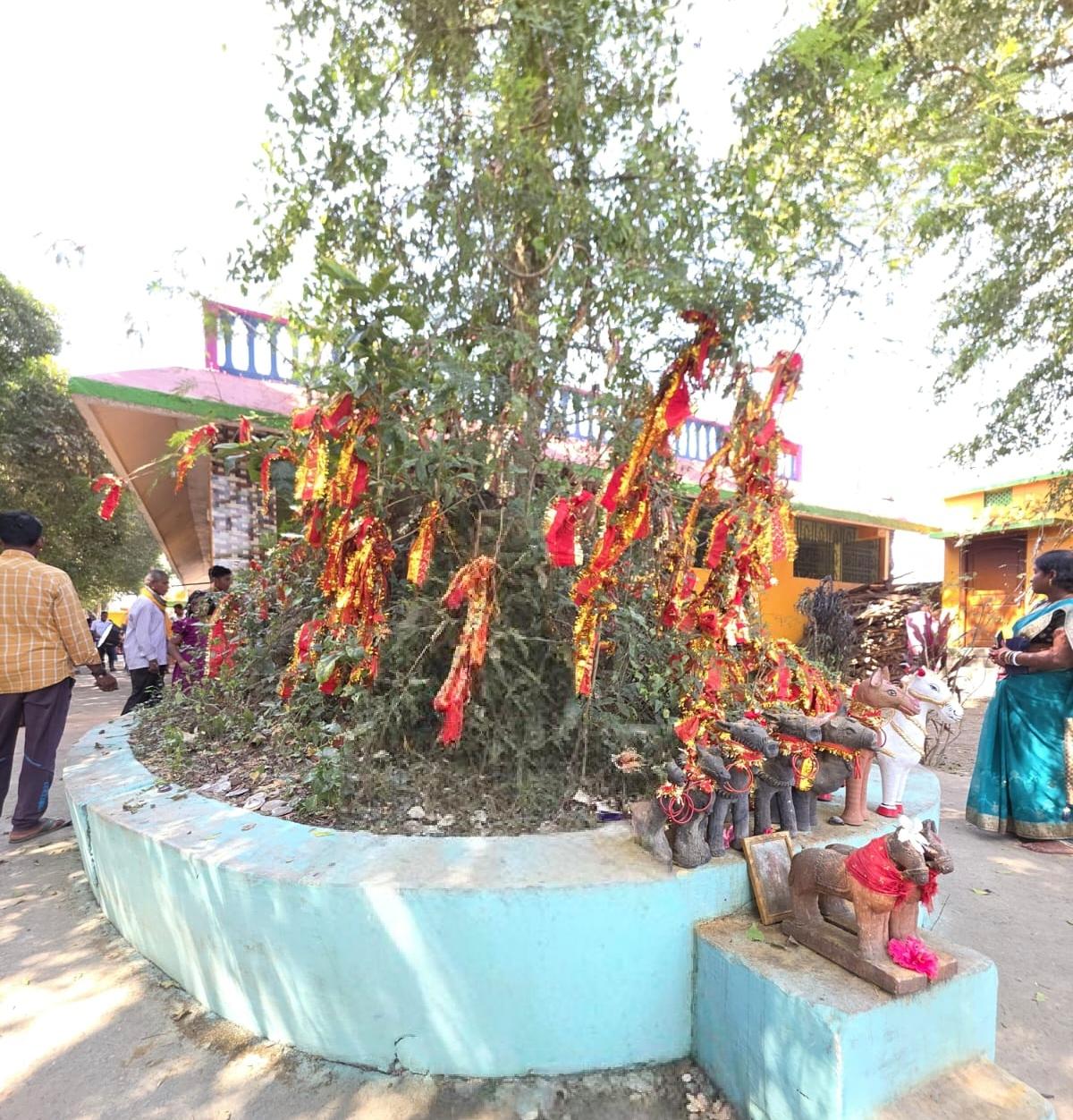
The temple’s major festivals draw large crowds, particularly Jammu Jatra on Pana Sankranti, a celebration in honor of Maa Gojabayani, which is attended by thousands. Durga Puja and Mahashivaratri are also celebrated, fostering community involvement and showcasing local music, dance, and cultural traditions. Devotees traditionally visit the temple on Tuesdays and Thursdays, offering prayers and non-vegetarian offerings (Macha Ghanta), believing that the goddess fulfills their wishes.
Pilgrimage, Tourism, and Cultural Significance
As a pilgrimage destination, Gojabayani Temple attracts visitors from across Odisha and beyond. The influx of devotees and tourists supports the local economy, benefiting businesses in hospitality, transportation, and handicrafts. Beyond economics, tourism facilitates cultural exchange and preserves local traditions, ensuring that the temple remains a living symbol of Marsaghai’s heritage.
Culturally, the temple reflects the artistic excellence and traditional craftsmanship of Kendrapara. Its festivals, rituals, and carvings help sustain community identity while connecting younger generations to their roots. The temple’s significance extends beyond religion, embodying the intertwined nature of faith, art, and communal life in Odisha.
Conservation Efforts
To preserve this historical and cultural landmark, ongoing conservation efforts involve both government authorities and local communities. Restoration work maintains the temple’s structural integrity and intricate carvings, while educational programs promote awareness of its historical and spiritual importance. Funding from government grants supports these initiatives, ensuring that the temple continues to function as a cultural and religious center.
Tourist Spots Near Marsaghai Maa Gojabayani Temple
- Aul Wildlife Sanctuary – A haven for wildlife lovers and nature explorers.
- Bhitarakanika National Park – Known for its mangroves, crocodiles, and rich birdlife.
- Chandaneswar Shiva Temple – A historic temple offering spiritual and cultural experiences.
- Marsaghai Market – Just 7 km away, ideal for local shopping and experiencing regional culture.
This region is perfect for blending spiritual visits with sightseeing adventures.
Conclusion
A visit to Gojabayani Temple offers more than a glimpse of architectural grandeur; it provides a journey into the spiritual, cultural, and historical heart of Kendrapara. The temple’s intricate artistry, legendary myths, and enduring traditions create a profound experience for devotees and tourists alike. By preserving and engaging with sites like Maa Gojabayani Temple, we honor the rich heritage of Odisha and ensure that these cultural treasures continue to inspire generations to come.