Ancient Indian temples are far more than architectural marvels—they are living repositories of faith, mystery, and timeless legends. For centuries, these sacred spaces have been intertwined with stories that blur the line between spirituality and the unexplained. From divine phenomena and unusual rituals to scientific anomalies that continue to puzzle experts, these temples offer a fascinating glimpse into India’s deeply rooted cultural and spiritual heritage.
What makes these temples truly captivating is not just their religious importance, but the mystical narratives that surround them—stories passed down through generations, strengthening belief while simultaneously challenging logic. Whether viewed through faith or curiosity, these sacred sites continue to inspire awe and wonder.
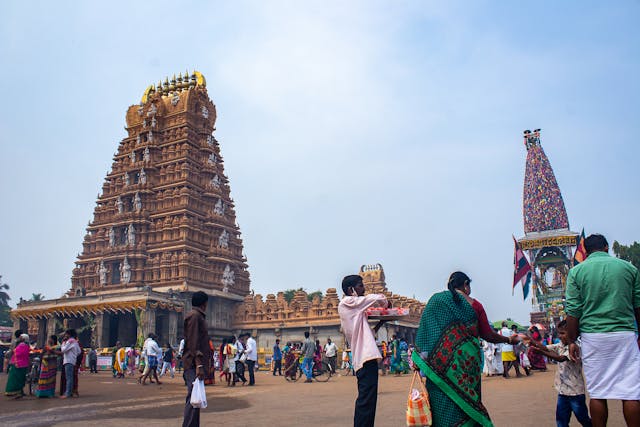
Temples Where Faith Meets the Unexplained
One of the most mysterious spiritual sites in India is the Mehandipur Balaji Temple. Known for rituals believed to cure negative energies and supernatural afflictions, the temple attracts thousands of devotees seeking relief from spiritual disturbances. Visitors often display unusual behavior—screaming, trembling, or fainting—which many believe to be signs of negative energies being released. Traditions such as not looking back while leaving the temple add to its mystique, and despite modern science, these occurrences remain largely unexplained.
Equally intriguing is the Padmanabhaswamy Temple, one of the richest temples in the world. While several underground vaults have revealed immense treasures, the mysterious Vault B remains sealed. Legends suggest it is protected by divine forces and can only be opened through sacred rituals. The secrecy surrounding this chamber continues to fascinate historians and spiritual seekers alike.
Divine Phenomena and Sacred Legends
In the holy town of Vrindavan lies the enigmatic Nidhivan. It is believed that Lord Krishna performs the divine Raas Leela here every night with Radha and the gopis. The temple is strictly closed after sunset, and local belief holds that anyone attempting to stay overnight risks losing their mental balance. Even today, items left inside are said to appear disturbed the next morning, reinforcing faith in this mystical occurrence.
Another profound site is the Kamakhya Temple, one of the 51 Shakti Peethas. Unlike traditional temples, it does not house an idol but a natural rock fissure symbolizing feminine creative energy. During the annual Ambubachi Mela, the temple closes for three days, as it is believed the goddess undergoes menstruation. The water in the sanctum reportedly turns red, symbolizing fertility and creation.
The Stambheshwar Mahadev Temple, often called the “Vanishing Temple,” presents a rare natural phenomenon. Twice a day, it submerges completely during high tide and reappears as the waters recede—an event devotees interpret as the sea performing a ritual offering to Lord Shiva.
Architectural Marvels That Defy Logic
India’s temples are also renowned for engineering wonders that continue to puzzle modern science. The Lepakshi Temple, also known as Veerabhadra Temple, features the famous “hanging pillar.” This pillar appears to float slightly above the ground, defying conventional architectural understanding. Visitors often pass cloth beneath it to test the phenomenon, which has baffled engineers for centuries.
Similarly, the Jagannath Temple is associated with several unexplained occurrences. The temple flag is said to always flutter against the direction of the wind, and the main dome reportedly casts no visible shadow. Additionally, the temple kitchen prepares food for thousands daily, yet it is believed the quantity is always perfectly balanced—never insufficient, never wasted.
Temples of Unique Rituals and Traditions
Some temples stand out for their unusual practices. The Karni Mata Temple is home to over 20,000 rats, revered as reincarnated ancestors. Devotees feed and worship them, and remarkably, no major disease outbreaks have been recorded despite their vast numbers.
At the Kaal Bhairav Temple, devotees offer alcohol to the deity Kaal Bhairav. The liquid, when poured near the idol’s mouth, mysteriously disappears—an unexplained ritual that continues to intrigue visitors.
In Kodungallur Bhagavathy Temple, the annual Bharani festival features intense rituals, including ecstatic dances and unconventional chants. These practices, though unusual, are deeply rooted in centuries-old traditions believed to please the goddess.
Nature, Power, and Divine Intervention
The Bijli Mahadev Temple presents a dramatic natural mystery. Every few years, lightning strikes the temple’s Shivling, shattering it into pieces. Priests then reconstruct it using butter and sacred materials, symbolizing renewal and divine power.
In the Himalayas, the Kedarnath Temple stands as a symbol of resilience and faith. During the devastating 2013 Uttarakhand floods, the temple remained largely unharmed while the surrounding area was destroyed. A massive boulder, now known as “Bheem Shila,” is believed to have protected the shrine—an event many consider miraculous.
Another powerful shrine, the Dhari Devi Temple, is believed to house a goddess who changes form throughout the day. Local legends also connect the relocation of the temple to natural disasters, reinforcing beliefs about the deity’s protective power.
Spiritual Energy and Cosmic Alignment
High in the hills lies the Kasar Devi Temple, believed to sit on a unique geomagnetic field similar to global energy centers. Visitors often report heightened awareness and deep calm, making it a hub for meditation and spiritual seekers.
The Jwala Ji Temple is another wonder, where eternal flames emerge naturally from rock without any visible fuel source. These flames have burned for centuries, defying scientific explanation and strengthening their association with divine presence.
Living Mysteries of Devotion
The Tirumala Venkateswara Temple is believed to house a “living deity,” where the idol is said to remain warm and exhibit lifelike characteristics. Meanwhile, temples like Chemmoth Sree Subramaniya Swami Temple showcase unique traditions, where devotees offer chocolates to the deity—a modern ritual rooted in faith and innocence.
Another lesser-known yet fascinating belief is associated with certain regional shrines where natural indicators—like moisture patterns—are believed to predict seasonal changes, blending spirituality with environmental observation.
Conclusion
Ancient Indian temples stand at the intersection of faith, history, and mystery. They challenge scientific understanding while offering profound spiritual insights. Each temple carries its own unique story—of miracles, unexplained phenomena, and divine presence—that continues to captivate millions.
For devotees, these mysteries are not questions to be solved but experiences to be felt. They reinforce the belief that there are forces beyond human comprehension. Whether it is the divine dance of Nidhivan, the vanishing structure of Stambheshwar, or the resilience of Kedarnath, each story adds depth to India’s spiritual landscape.
In a world driven by logic and technology, these temples remind us of something timeless—that not everything needs to be explained to be experienced. Ultimately, they are not just places of worship, but gateways to a deeper connection between the human spirit and the divine unknown.
Photo by Pavan Prasad:
