The Jyotirlingas are among the most sacred shrines dedicated to Lord Shiva, representing his manifestation as an infinite pillar of divine light (Jyoti). According to Hindu belief, there are 12 Jyotirlinga temples spread across India, each embodying a unique aspect of Shiva’s cosmic power and spiritual essence. These temples are not merely places of worship they are powerful spiritual centers that draw millions of pilgrims every year in search of blessings, inner peace, and liberation.
The concept of Jyotirlinga originates from ancient scriptures, where Shiva appeared as a radiant column of light, symbolizing his infinite and formless nature. Visiting these sacred sites is believed to help devotees transcend worldly attachments, cleanse past karma, and move closer to moksha (liberation from the cycle of birth and death). 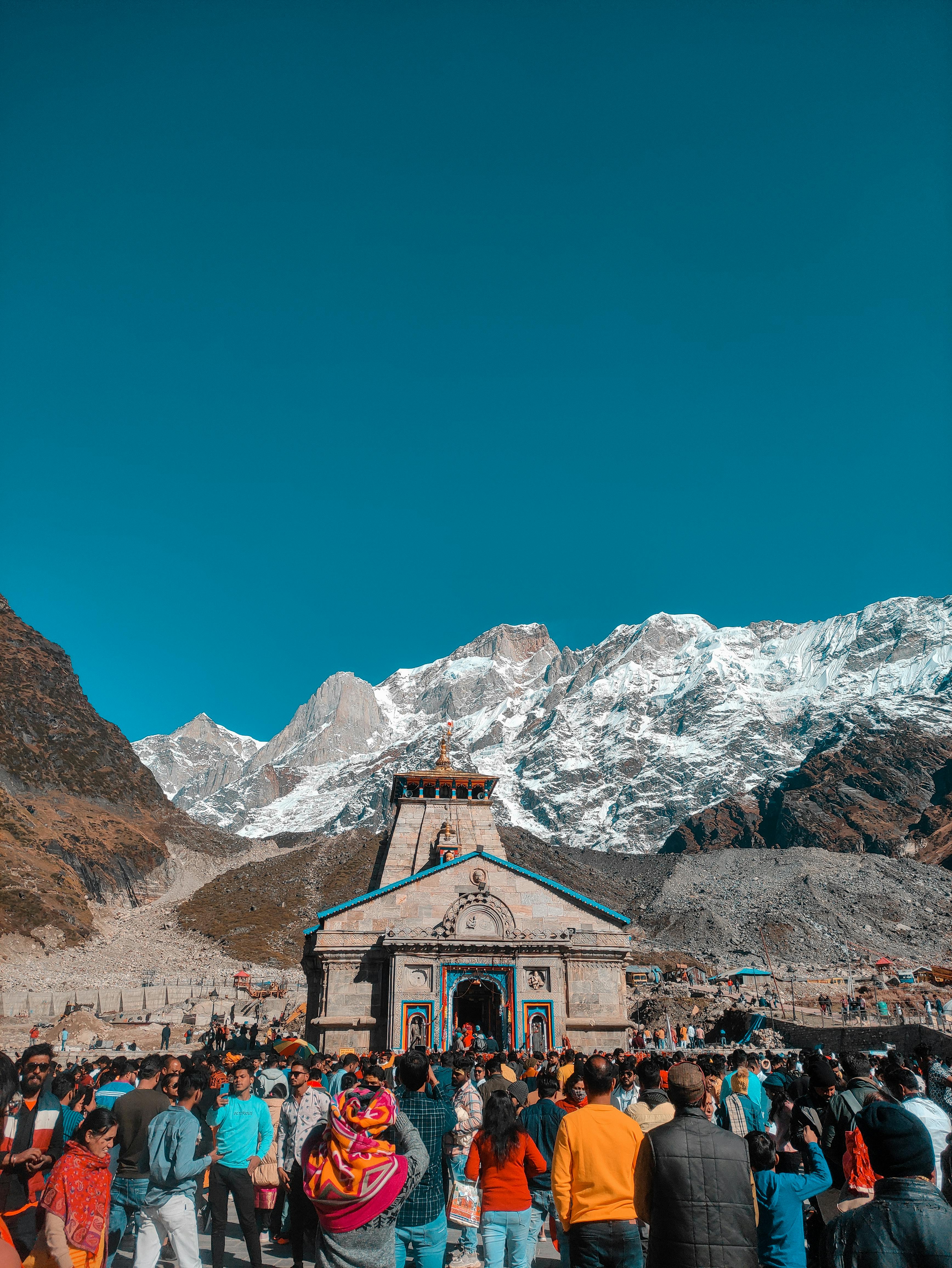
Spiritual Significance of the Jyotirlingas
Each Jyotirlinga holds deep spiritual meaning and represents different facets of divine energy. Together, they form a sacred network across India, connecting geography with spirituality.
-
Liberation (Moksha): Pilgrimage to these temples is believed to free devotees from the cycle of rebirth.
-
Karma Cleansing: Devotees believe their sins are washed away through sincere prayers and rituals.
-
Energy Centers: Each temple is considered a powerful source of cosmic energy, often linked to natural elements like rivers, mountains, or sacred geography.
-
Spiritual Awakening: These shrines inspire devotion, discipline, and self-realization.
Festivals like Maha Shivaratri amplify the spiritual atmosphere, as millions engage in fasting, meditation, and night-long prayers dedicated to Shiva.
The 12 Jyotirlinga Temples and Their Significance
1. Somnath Temple (Gujarat)
Considered the first Jyotirlinga, Somnath stands as a symbol of resilience and eternal faith. Despite being destroyed and rebuilt multiple times throughout history, it represents the indestructible nature of Shiva.
2. Mallikarjuna Temple (Andhra Pradesh)
Located in Srisailam, this temple signifies the divine union of Shiva and Parvati. It is also a Shakti Peetha, making it doubly sacred for devotees of both Shaivism and Shaktism.
3. Mahakaleshwar Temple (Madhya Pradesh)
Famous for its south-facing lingam, this temple represents Shiva as Mahakal, the lord of time and death. It is believed to protect devotees from untimely death.
4. Omkareshwar Temple (Madhya Pradesh)
Situated on an island in the Narmada River shaped like the sacred “Om,” this Jyotirlinga symbolizes universal consciousness and spiritual harmony.
5. Kedarnath Temple (Uttarakhand)
Perched high in the Himalayas, Kedarnath is the highest Jyotirlinga. It represents devotion, endurance, and spiritual elevation, attracting pilgrims willing to undertake a challenging journey.
6. Bhimashankar Temple (Maharashtra)
Located in the Sahyadri hills, this temple is associated with Shiva’s victory over the demon Tripurasura. It symbolizes the triumph of good over evil.
7. Kashi Vishwanath Temple (Uttar Pradesh)
Situated in the holy city of Varanasi, this Jyotirlinga is believed to grant moksha. It is one of the most revered pilgrimage sites in India.
8. Trimbakeshwar Temple (Maharashtra)
This unique temple houses three lingas representing Brahma, Vishnu, and Shiva, symbolizing the trinity of creation, preservation, and destruction.
9. Baidyanath Temple (Jharkhand)
Also known as Vaidyanath, this temple is associated with healing. Shiva is worshipped here as the divine physician (Vaidya).
10. Nageshwar Jyotirlinga (Gujarat)
This temple represents protection from negativity, poisons, and evil forces, offering spiritual strength and security.
11. Ramanathaswamy Temple (Tamil Nadu)
Closely linked to the epic Ramayana, it is believed to have been established by Lord Rama. It symbolizes devotion, repentance, and unity across regions.
12. Grishneshwar Temple (Maharashtra)
Located near the Ellora Caves, this is the final Jyotirlinga and represents unwavering devotion and spiritual tranquility.
A Journey Beyond Religion
A pilgrimage to the Jyotirlingas is not just a religious journey—it is a profound exploration of India’s cultural and spiritual heritage. These temples are architectural marvels, deeply rooted in history and mythology, and often located in breathtaking natural settings—from coastal shores to Himalayan peaks.
Millions of pilgrims undertake this journey every year, experiencing a deep sense of connection not only with divinity but also with India’s timeless traditions.
Travel Tips for Visiting Jyotirlingas
Planning a journey across all 12 Jyotirlingas requires thoughtful preparation:
-
Plan by region: Cover temples zone-wise to make travel manageable.
-
Choose the right season: Avoid monsoons for hilly regions like Kedarnath.
-
Respect traditions: Dress modestly and follow temple customs.
-
Stay prepared: Carry essentials like water, medicines, and offline maps.
-
Footwear etiquette: Easy-to-remove footwear is helpful for temple visits.
Why Travel Insurance Matters
While the journey is spiritually fulfilling, it can also be physically demanding and unpredictable. Travel insurance can help safeguard your pilgrimage:
-
Covers medical emergencies, especially in remote areas
-
Protects against trip cancellations or delays
-
Offers compensation for lost baggage
-
Provides access to cashless healthcare facilities
Having reliable coverage ensures peace of mind, allowing you to focus fully on your spiritual experience.
Conclusion
The 12 Jyotirlingas are far more than temples—they are powerful symbols of divine light, faith, and spiritual awakening. Each shrine tells a unique story of devotion, resilience, and cosmic energy, guiding devotees on a path toward inner transformation.
Whether you are a devout pilgrim or a curious traveler, visiting these sacred sites offers a journey that transcends religion. It is an experience that connects you to the eternal presence of Lord Shiva and the spiritual soul of India itself.
Photo by Vivek Sakhargade:
