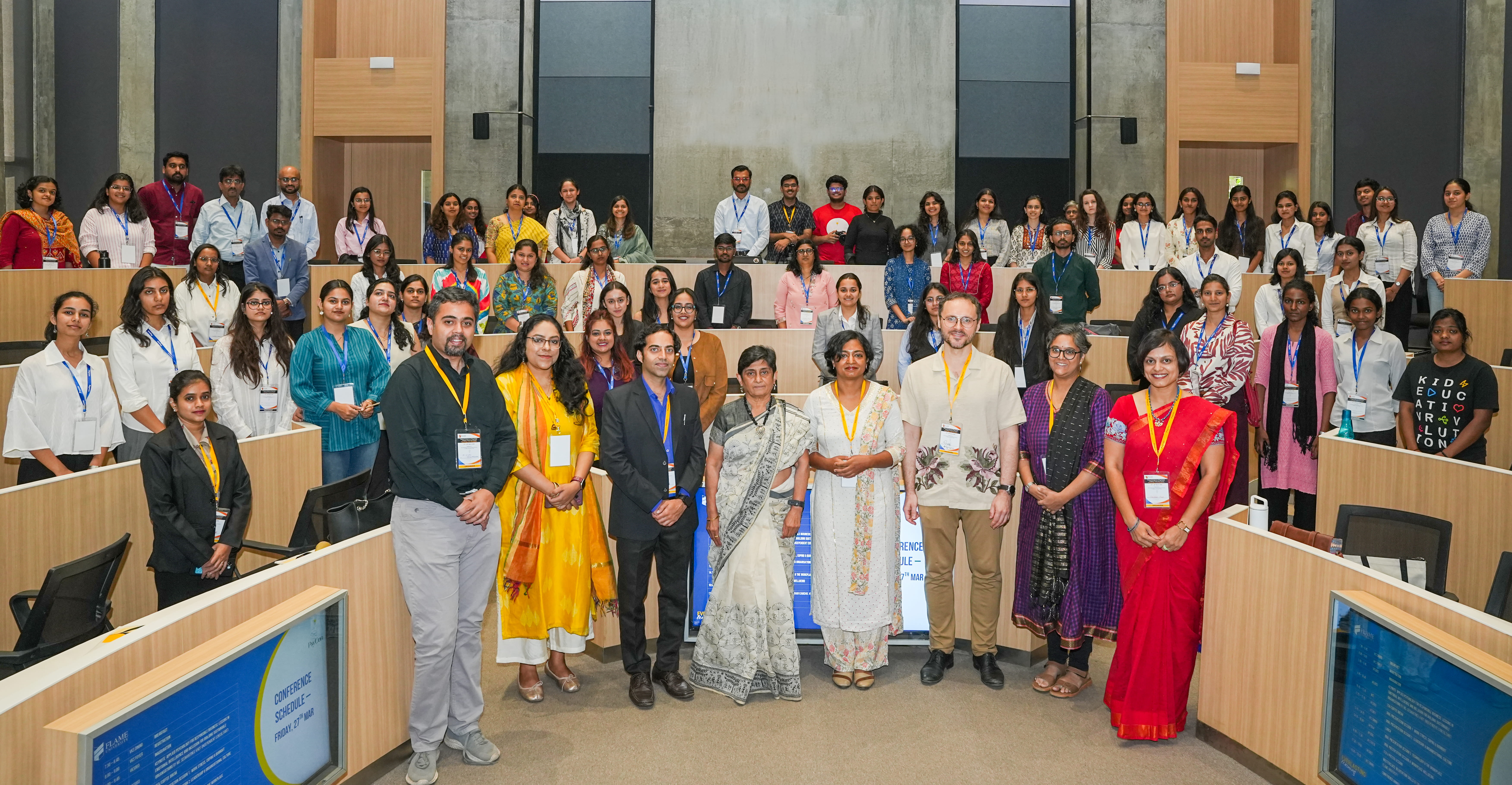
India, Apr 1: Workplaces are rapidly evolving with the rise of AI, the gig economy, and shifting workforce expectations around well-being and inclusion. Understanding the psychological dimensions of these changes is becoming increasingly important for organizations today. In this context, FLAME University, a pioneer in interdisciplinary education, recently hosted the National Conference of Psychology 2026: Bridging Theory and Practice with the overarching theme of Psychology at the Workplace on March 27–28, 2026, at its Pune campus. Organized by the Department of Psychological Sciences, the two-day, in-person conference convened academicians, researchers, practitioners, industry experts, and students from across India to explore how psychological research can inform contemporary workplace practices and policies.
While traditional frameworks of industrial and organizational psychology have long explored workplace behavior and productivity, the contemporary workplace increasingly demands a broader interdisciplinary lens. In India, this workplace transformation is marked by a young and diverse workforce and deeper structural shifts that are prompting important questions around identity, psychological well-being, and how individuals navigate work within complex organizational and social systems. Against this backdrop, the conference created a platform for evidence-based discussions on how psychological research can inform organizational practice and public policy in the evolving world of work.
The conference featured two keynote sessions, a masterclass, and scientific presentations through oral and poster formats. Researchers, scholars, and practitioners from educational institutions and organizations across India actively participated in the conference, presenting new research findings and having engaging discussions that bridged real-world workplace practices and academic inquiry. The conference saw participation from 82 presenters across 10 cities in 7 states, including 57 students and research scholars, 18 faculty and academics, as well as 7 industry experts and independent researchers. Keynote sessions were delivered by Prof. Pooja Purang from IIT Bombay and Ms. Seemantinee Khot, a sustainable development professional and independent consultant, representing both academic and industry perspectives, respectively. Prof. Dishan Kamdar, Vice-Chancellor, FLAME University, conducted a masterclass on negotiation, educating participants with applied insights in negotiation and leadership within organizational contexts.
Conversations during the conference explored several key themes, including work stress, coping, and burnout; leadership and organizational culture; the role of technology in shaping workplace experiences; and overall well-being at the workplace. Discussions also examined critical issues such as gender in the workplace and questions of identity and belonging within organizational settings. Moving beyond traditional discussions of efficiency and productivity, the conference emphasized the human dimensions of work and the broader implications of a rapidly evolving workplace. Together, these discussions highlighted the role of psychological research in helping organizations build more inclusive, resilient, and human-centered workplaces.
Speaking on the significance of this conference, Prof. Dishan Kamdar, Vice-Chancellor, FLAME University, said,
“Workplaces today are being reshaped by powerful social, economic, and cultural forces. Responding to this requires not just technological or economic thinking, but also a deep understanding of human behavior. At FLAME University, we are committed to advancing this integration of psychological insight with organizational practice. This conference is a step in that direction. I thank our partners, speakers, and participants for helping build a dialogue that is both rigorous and relevant.”
The National Conference of Psychology 2026: Bridging Theory and Practice Psychology at the Workplace facilitated the exchange of ideas and perspectives on the role of psychological research in understanding human behavior in lieu of changing workplace dynamics. It highlighted the value of psychological perspectives in building workplaces that support both employee well-being and collective growth.
