Shiva temples occupy a central place in Hinduism, revered by millions of devotees worldwide. As one of the principal deities in the Hindu pantheon, Lord Shiva embodies a complex spectrum of attributes from destruction to regeneration symbolizing the cyclical nature of life. These temples, often dedicated to specific aspects of Shiva, are not only sacred centers of worship but also remarkable examples of cultural and architectural heritage.
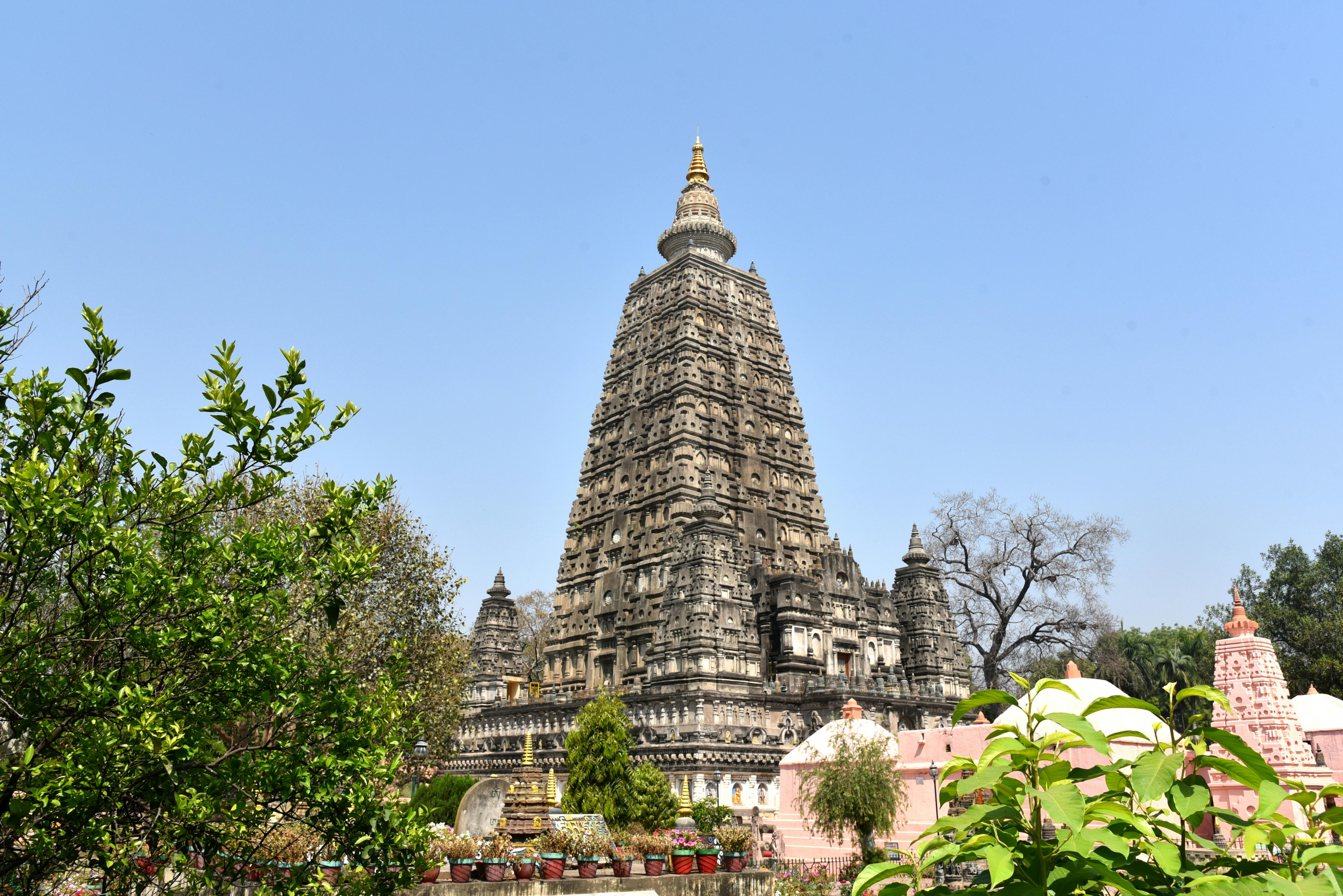
Architectural and Cultural Marvels
Shiva temples are celebrated for their intricate architecture and deep symbolism, featuring towering shikharas, detailed carvings, and sculptures that depict mythological stories and reflect both artistic excellence and spiritual meaning. Renowned temples like the Kashi Vishwanath Temple and the Brihadeeswarar Temple beautifully combine architectural grandeur with devotion, drawing pilgrims and admirers alike. Beyond their structure, these temples serve as vital spaces for meditation, prayer, and community gatherings, with festivals like Maha Shivaratri strengthening spiritual bonds and collective faith among devotees.
Devotees’ Experiences and Miracles
The faith of devotees often finds expression in personal stories of miraculous experiences. Many individuals report life-changing events after prayers or rituals at Shiva temples, highlighting the transformative power of devotion. For instance:
-
A woman from Varanasi recovered from serious health issues after seeking solace and performing rituals at a Shiva temple, attributing her healing to Lord Shiva’s blessings.
-
A young man, facing career uncertainties, received a long-awaited job opportunity after performing Shravan rituals at a Shiva temple, affirming his faith in divine intervention.
-
A family healed physically and emotionally from a severe accident through chanting mantras and seeking blessings, demonstrating the resilience nurtured by spiritual devotion.
Such stories reinforce the emotional and spiritual connection devotees share with Shiva temples, inspiring faith within the broader community.
Shiva Temples Known for Miracles
Several Shiva temples in India are particularly revered for the miraculous experiences reported by devotees:
-
Kashi Vishwanath Temple – Dedicated to Vishwanath, the “Lord of the Universe,” the temple is believed to grant liberation and fulfill devotees’ wishes.
-
Mahakaleshwar Temple – Home to a self-manifested lingam, it is famous for spiritual awakenings and ethereal experiences, especially during Kumbh Mela.
-
Somnath Temple – Known for centuries of legendary miracles, from historical battles to devotees’ personal blessings.
-
Amarnath Cave Temple – The natural ice lingam inspires healing and spiritual transformation amidst a challenging pilgrimage.
-
Shankaracharya Temple – A high-altitude shrine associated with profound spiritual and personal transformations.
Devotion and Spiritual Connection
Faith in Shiva nurtures emotional resilience and spiritual well-being through devotional practices such as abhishekam, lighting lamps, chanting mantras, offering flowers, and performing pujas, all of which help devotees focus their intentions and seek divine blessings. These rituals create a sense of peace, inner strength, and openness to transformative experiences. Psychologically, they enhance mental clarity and emotional balance, while spiritually, they deepen the connection with the divine, enabling devotees to recognize subtle guidance in their lives. Through consistent devotion and surrender, believers often experience profound personal growth and a heightened sense of faith.
Pilgrimages: A Pathway to Faith
Pilgrimages to Shiva temples symbolize both physical and spiritual journeys. Traversing challenging terrains cultivates determination, faith, and communal solidarity among devotees. Rituals performed during these journeys, such as chanting and meditating, enhance spiritual experiences. Visiting iconic temples, offering prayers, and participating in ceremonies often leave pilgrims with a renewed perspective, reinforcing their belief in miracles and strengthening their ongoing devotion.
Shiva Temples: Hubs of Community, Culture, and Charity
Shiva temples contribute significantly to local communities. They are centers of cultural activity, education, and social welfare. Festivals and communal rituals foster unity across social, caste, and economic boundaries, while charitable activities inspired by devotion help address issues such as poverty, education, and healthcare. Temples also serve as hubs for spiritual education, ensuring the continuity of Hindu traditions and values across generations.
Shiva Temples: Blending Ancient Wisdom with Modern Life
Even in today’s fast-paced world, Shiva temples remain relevant as spaces of spiritual reflection and community engagement. Their teachings—emphasizing mindfulness, detachment, and introspection resonate with urban devotees grappling with stress and uncertainty. Many temples now integrate modern technology, offering online participation in rituals and spiritual education, extending their reach to devotees worldwide while preserving traditional practices.
Conclusion
Shiva temples embody the enduring power of faith, spirituality, and divine miracles. They are not only places of worship but also centers of hope, healing, and cultural enrichment. Through devotion, rituals, and pilgrimages, devotees cultivate profound connections with Lord Shiva, experiencing transformation, resilience, and a sense of community. These sacred spaces remind us that, amid life’s uncertainties, the strength of faith and belief in the divine can inspire hope, miracles, and spiritual fulfillment.
