The Spiritual Essence of Hindu Temple Festivals
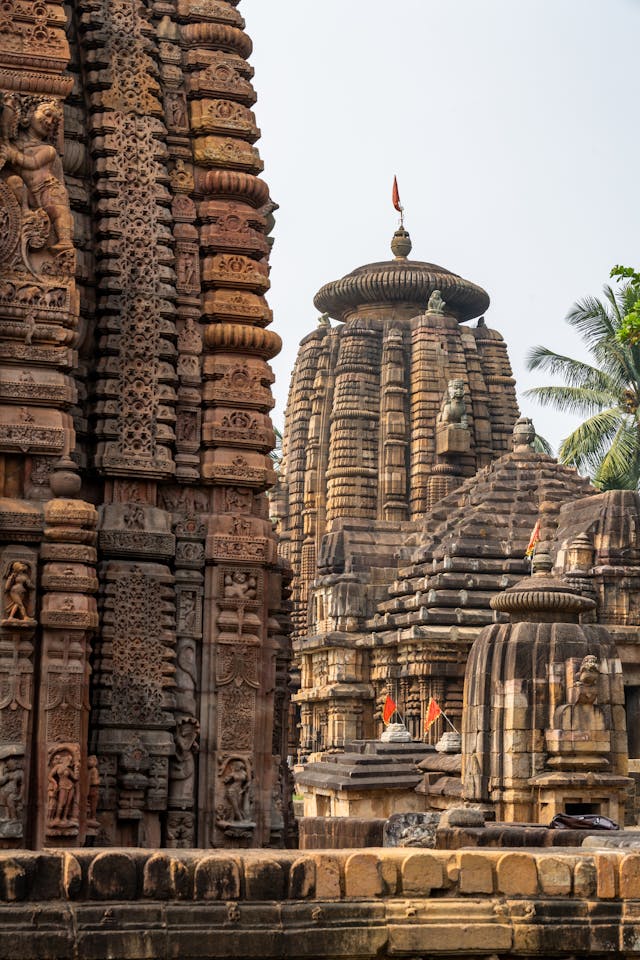
Hindu temple festivals are sacred occasions that bring devotees closer to the divine. Rooted in ancient traditions and scriptures, these celebrations symbolize devotion, gratitude, and the eternal connection between humanity and the spiritual world. Through prayer, rituals, music, and community gatherings, devotees seek blessings, inner peace, and spiritual purification.
Each festival carries a deeper message—reminding individuals of the victory of good over evil, the power of faith, and the importance of living with compassion and humility. Beyond celebration, temple festivals serve as moments of reflection and spiritual renewal, guiding devotees toward a more meaningful and balanced life.
Diwali: The Festival of Light and Inner Awakening
Diwali, also known as Deepavali, derives from the Sanskrit word dīpāvali, meaning “a row of lamps.” It is one of the most celebrated Hindu festivals and symbolizes the triumph of light over darkness, knowledge over ignorance, and righteousness over evil.
According to tradition, the festival marks the return of Lord Rama to Ayodhya after defeating the demon king Ravana. People illuminated their homes with oil lamps to welcome him, symbolizing the victory of good over evil. In other traditions, the festival also celebrates Lord Krishna’s victory over the demon Narakasura and the worship of Goddess Lakshmi, the deity of prosperity.
During Diwali, homes and temples are decorated with diyas, candles, and colorful rangoli patterns. Families gather for prayers, exchange sweets, and perform rituals to invite prosperity and harmony into their lives.
Spiritually, Diwali reminds individuals to overcome inner darkness—such as ego, anger, and greed—and awaken the divine light within. The glow of a simple lamp symbolizes hope, renewal, and the illumination of the soul.
For many families, the festival is also a time of remembrance, when prayers are offered for loved ones who are no longer present, reinforcing the belief that spiritual bonds endure beyond physical life.
Holi: The Festival of Colors and Renewal
Holi is one of the most joyful and vibrant festivals in Hindu tradition, marking the arrival of spring and the renewal of life. Its roots can be traced to ancient Vedic and Puranic texts.
The festival is associated with the story of Prahlada, a devoted follower of Lord Vishnu. Despite the attempts of his father, the demon king Hiranyakashipu, to destroy his faith, Prahlada was protected by divine grace. Holika, who tried to burn him in fire, was destroyed instead—symbolizing the victory of devotion over evil.
The celebrations begin with Holika Dahan, a bonfire ritual that represents the burning away of negativity and past impurities. The following day is celebrated with the throwing of colored powders, music, dancing, and joyful gatherings.
Spiritually, Holi symbolizes emotional renewal. The vibrant colors represent happiness, unity, and the beauty of diversity. The festival encourages people to forgive, let go of past grievances, and embrace life with renewed joy.
Navratri and Durga Puja: Honoring Divine Feminine Power
Navratri, meaning “nine nights,” is a festival dedicated to the worship of the Divine Mother, or Shakti. It commemorates the victory of Goddess Durga over the demon Mahishasura, symbolizing the triumph of divine power over ignorance and negativity.
Each set of three nights is dedicated to different aspects of the goddess: Durga (strength), Lakshmi (prosperity), and Saraswati (wisdom). Devotees observe fasting, prayer, and meditation, seeking spiritual purification and inner strength.
In eastern India, particularly in West Bengal, this celebration takes the form of Durga Puja, where beautifully crafted idols of the goddess are worshipped in elaborately decorated pandals. Communities gather for cultural programs, music, dance, and devotional rituals.
The final day, Vijayadashami, celebrates the victory of good over evil and symbolizes the return of the goddess to the divine realm, reminding devotees of the eternal cycle of creation and renewal.
Janmashtami: Celebrating the Birth of Divine Love
Janmashtami marks the birth of Lord Krishna, the eighth incarnation of Lord Vishnu. It is celebrated with deep devotion, particularly in temples dedicated to Krishna.
Devotees observe fasting and gather for midnight prayers, which symbolize the moment of Krishna’s birth. Temples host devotional singing and dramatic performances known as Rasleela, depicting stories from Krishna’s childhood.
A popular tradition called Dahi Handi recreates Krishna’s playful act of stealing butter, where groups form human pyramids to break a suspended pot.
Krishna’s teachings in the Bhagavad Gita emphasize devotion, duty, and selfless action. The festival inspires devotees to cultivate compassion, wisdom, and spiritual balance in their lives.
Ganesh Chaturthi: The Remover of Obstacles
Ganesh Chaturthi celebrates the birth of Lord Ganesha, the elephant-headed deity revered as the remover of obstacles and the god of wisdom.
According to legend, Goddess Parvati created Ganesha from clay, and Lord Shiva later granted him an elephant’s head, symbolizing transformation and divine grace.
Clay idols of Ganesha are installed in homes and temples, where devotees perform prayers, sing devotional songs, and offer sweets such as modaks. After several days of worship, the idols are immersed in water, symbolizing the return of divine energy to the universe.
Spiritually, the festival reminds devotees that obstacles in life can be overcome with wisdom, humility, and faith.
Maha Shivaratri: The Night of Spiritual Transformation
Maha Shivaratri, meaning “The Great Night of Shiva,” is one of the most sacred festivals dedicated to Lord Shiva.
Devotees observe fasting, chant the mantra Om Namah Shivaya, and remain awake throughout the night in meditation and prayer. Ritual offerings of water, milk, and sacred leaves are made to the Shiva Lingam.
The festival symbolizes spiritual awakening and the transcendence of ego. Shiva represents both destruction and transformation—the removal of illusion and the path toward liberation.
For many devotees, Maha Shivaratri is a night of deep introspection, silence, and spiritual renewal.
Rath Yatra: The Divine Journey
Rath Yatra is one of the grandest temple festivals, most famously celebrated in Puri. During the festival, the deities Jagannath, Balabhadra, and Subhadra are placed on massive chariots and taken through the streets.
This procession symbolizes the divine coming out of the temple to bless all devotees, regardless of social or cultural background.
Pulling the chariot ropes is considered a sacred act of devotion. It represents surrendering one’s ego and allowing the divine to guide the journey of life.
Pongal and Makar Sankranti: Gratitude to Nature
Pongal and Makar Sankranti are harvest festivals that celebrate humanity’s connection with nature and the Sun God.
Families prepare traditional dishes using newly harvested rice, decorate homes with colorful patterns, and offer prayers expressing gratitude for agricultural abundance.
Spiritually, these festivals remind people to respect nature and recognize the divine forces that sustain life.
Raksha Bandhan: The Sacred Bond of Protection
Raksha Bandhan celebrates the loving bond between siblings. Sisters tie a sacred thread called a rakhi around their brothers’ wrists, symbolizing protection and affection.
In return, brothers promise lifelong support and care. The festival is marked by family gatherings, gifts, and prayers.
For families who have lost loved ones, Raksha Bandhan can become a moment of remembrance, honoring the enduring spiritual connection between souls.
Pitru Paksha: Honoring the Ancestors
Pitru Paksha is a sacred period dedicated to remembering and honoring ancestors. Devotees perform rituals such as pinda daan and tarpana, offering food and prayers for the departed souls.
These rituals express gratitude to previous generations and are believed to help the souls of ancestors attain peace.
Spiritually, Pitru Paksha reminds devotees that life is part of an eternal cycle where the living and the departed remain connected through memory, love, and prayer.
Pilgrimage and Sacred Temple Traditions
Pilgrimage, or yatra, is another important aspect of Hindu spirituality. Devotees travel to sacred cities such as Ayodhya, Varanasi, Haridwar, Mathura, Dwarka, Ujjain, and Kanchipuram seeking spiritual purification.
One of the largest spiritual gatherings in the world is the Kumbh Mela, where millions of devotees gather to bathe in sacred rivers, believing it purifies the soul and guides it toward liberation.
Temple rituals often include pradakshina (circumambulation around the deity), fasting (upavasa), chanting, and acts of charity—practices that help devotees focus on spiritual growth.
The Eternal Spiritual Wisdom of Hindu Festivals
Hindu temple festivals are far more than cultural traditions—they are spiritual journeys that guide devotees toward self-realization and divine connection. Each celebration carries profound lessons about faith, humility, devotion, and the ultimate victory of good over evil.
Through rituals, music, prayers, and communal gatherings, these festivals nurture spiritual awareness and preserve ancient traditions for future generations.
In a rapidly changing world, Hindu temple festivals continue to inspire people to seek inner light, live with compassion, and remain connected to the timeless wisdom of Hindu spirituality
Photo by Siva Seshappan:
