Ancient Indian temples stand as enduring symbols of the country’s spiritual depth, cultural richness, and architectural brilliance. Built over centuries, these sacred spaces are far more than places of worship—they are living monuments that reflect India’s history, traditions, and artistic excellence. From early stone shrines to vast temple complexes that continue to draw millions of devotees, Indian temples represent a seamless blend of devotion, mythology, and engineering mastery.
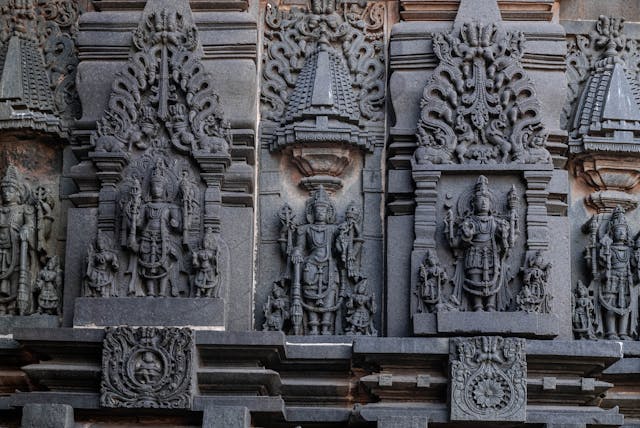
A Glimpse into History
The roots of temple architecture in India can be traced back to ancient times, with some early structures dating as far as the 3rd century BCE. Over time, temple construction flourished under the patronage of powerful dynasties, each contributing unique styles and innovations that shaped India’s architectural identity.
One of the oldest functional temples in India is the Mundeshwari Temple, with inscriptions dating back to 625 CE. Its continued use for worship highlights the enduring nature of faith in India. The Gupta period marked a significant phase in temple development, laying the foundation for classical designs seen in the Khajuraho Temples, known for their intricate carvings and artistic detail.
The Chola dynasty further elevated temple architecture with monumental creations such as the Brihadeeswarar Temple, famous for its towering structure and precise engineering. Equally remarkable is the Kailasa Temple, an 8th-century architectural wonder carved entirely out of a single rock, showcasing extraordinary craftsmanship.
Legends and Living Traditions
Indian temples are deeply rooted in mythology and legends that enrich their cultural and spiritual significance. These stories have been passed down through generations, adding meaning and emotional connection to these sacred sites.
The Tirumala Venkateswara Temple is associated with a well-known legend in which Lord Vishnu is believed to have borrowed wealth from Kubera for his divine wedding. Devotees continue to offer donations as a symbolic act of repaying this debt, making the temple one of the most visited pilgrimage sites in the world.
In Odisha, the Konark Sun Temple stands as both an architectural marvel and a symbol of devotion. The legend of Dharmapada, a young artisan who sacrificed his life to complete the temple, reflects dedication and faith.
Nestled in the Himalayas, the Kedarnath Temple is believed to have been built by the Pandavas. Its survival during the devastating 2013 floods is often seen as a testament to divine protection, strengthening the faith of millions.
Architectural Diversity and Excellence
Indian temples are celebrated for their diverse architectural styles, influenced by geography, culture, and regional traditions. Two prominent styles are the Dravidian style of South India and the Kalinga style of Eastern India.
Dravidian temples are known for their towering gopurams, elaborate carvings, and expansive courtyards. The Ranganathaswamy Temple is one of the finest examples, recognized as one of the largest functioning temple complexes in the world.
Kalinga architecture, prominent in Odisha, features distinctive curvilinear towers and intricate detailing. These temples often symbolize cosmic harmony and spiritual ascent, reflecting a deep philosophical understanding embedded in their design.
Spiritual and Cultural Importance
Temples in India are often located at spiritually significant sites, especially near rivers or water bodies, known as “tirthas.” These locations symbolize a bridge between the physical and spiritual realms, making them important pilgrimage destinations.
Among the most revered sacred networks are the 12 Jyotirlingas dedicated to Lord Shiva. Temples such as the Somnath Temple and the Kashi Vishwanath Temple hold immense spiritual importance and attract millions of pilgrims every year.
Temples have also historically served as centers of community life, supporting art, music, education, and social gatherings. The Shani Shingnapur is a unique example where faith in divine protection is so strong that many homes traditionally have no doors or locks.
Living Heritage of India
What makes ancient Indian temples truly unique is that they continue to thrive as living institutions. Daily rituals, festivals, and pilgrimages keep these spaces vibrant and culturally relevant. They are not just historical landmarks but active centers of faith and tradition.
These temples attract not only devotees but also historians, architects, and travelers from around the world. Each visit offers a glimpse into India’s timeless traditions and enduring spiritual practices.
Conclusion
Ancient Indian temples are more than architectural achievements—they are symbols of faith, resilience, and cultural identity. Their intricate designs reflect unmatched craftsmanship, while their stories preserve centuries of belief and devotion.
In a rapidly modernizing world, these temples remain anchors of tradition, reminding us of a legacy that has endured for thousands of years. They continue to inspire awe, devotion, and a deeper connection to India’s rich spiritual heritage.
