
Temple tourism, a specialized form of cultural tourism, invites travelers to explore sacred sites and places of worship with significant spiritual and historical importance. Unlike conventional tourism, temple tourism combines spiritual engagement with an appreciation of art, architecture, and traditional practices. Temples act as custodians of cultural heritage, offering visitors a window into rituals, artistry, and centuries-old traditions that shape local communities. Across the world, these sacred spaces attract visitors seeking peace, aesthetic beauty, and personal reflection.
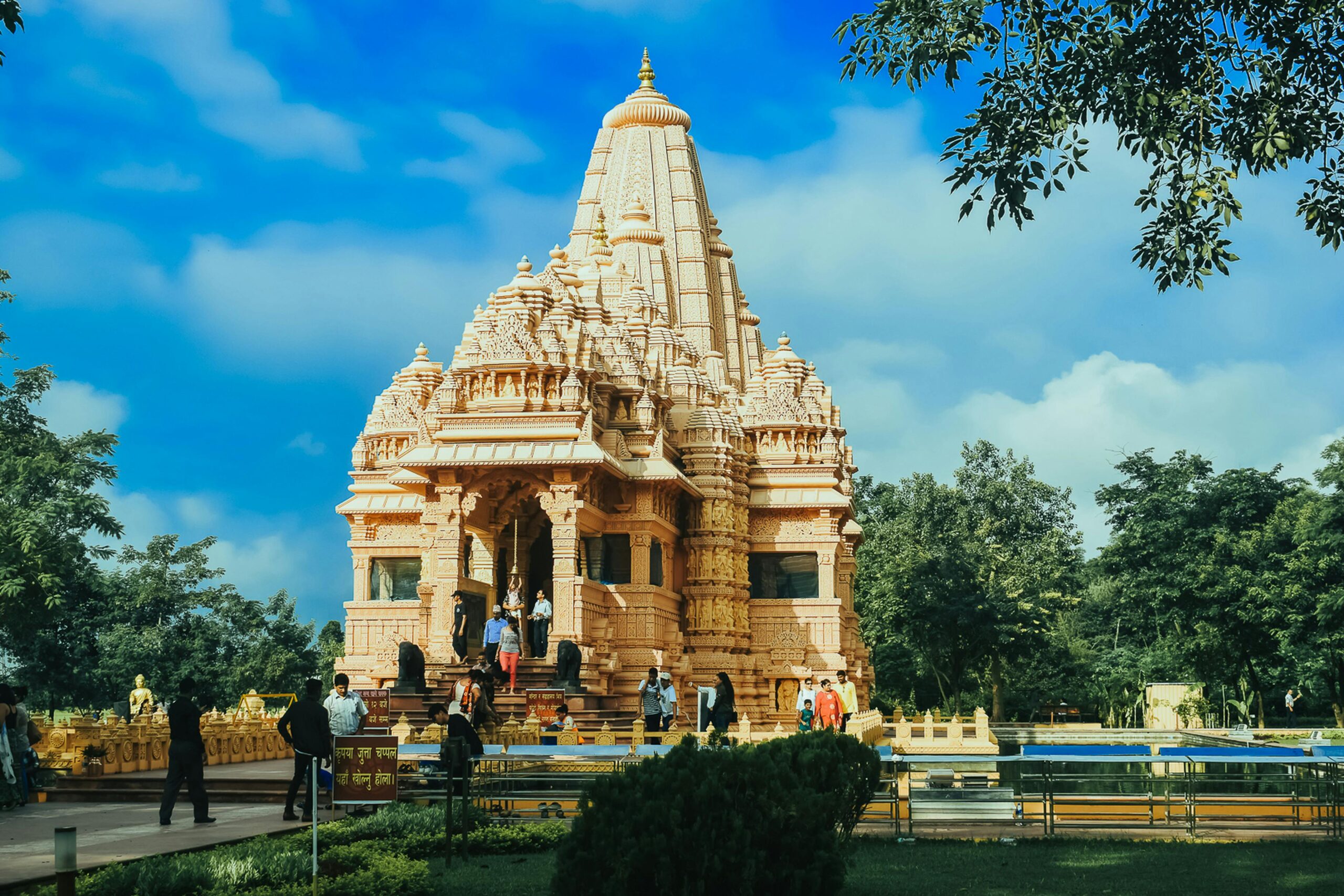
The Appeal and Significance of Temple Visits
Temples attract visitors through their stunning architecture, rich history, and spiritual significance, featuring intricate carvings, sculptures, and murals that tell cultural and mythological stories. They serve not only as places of worship but also as cultural hubs, hosting festivals, ceremonies, and educational activities that preserve traditions and foster community. As historical landmarks, temples offer insights into the artistry, engineering, and societal values of their time, providing travelers with a deeper appreciation of heritage, culture, and spirituality.
Factors Influencing the Best Time to Visit Temples
Timing is crucial for an enriching temple tourism experience. Key factors to consider include:
-
Climate: Many temples are situated in regions with extreme seasonal variations. Cooler months often provide comfort during extensive visits or pilgrimages, while moderate weather enhances outdoor exploration of temple surroundings.
-
Festival Seasons: Participating in local religious festivals offers a unique glimpse into temple rituals and communal devotion. However, these events may attract large crowds, so visitors must balance the desire for immersive experiences with potential congestion.
-
Auspicious Days and Traditions: Certain temples observe specific holy days for rituals and prayers. Aligning visits with these occasions allows travelers to witness authentic spiritual practices while respecting local customs.
Seasonal Temple Festivals
Temple festivals provide a vibrant and immersive experience, reflecting the spiritual and cultural life of a community:
-
Spring: Temples often host processions, music, and dance performances, showcasing seasonal rituals and devotion.
-
Summer: Festivals may include art fairs, workshops, and special illuminations that highlight local craftsmanship and temple architecture.
-
Autumn: Harvest festivals celebrate abundance through offerings and communal ceremonies, emphasizing gratitude and togetherness.
-
Winter: Celebrations often feature lights, fireworks, and festive gatherings, enhancing both the spiritual and visual appeal of temples.
Planning visits around these seasonal events allows travelers to experience the full cultural and spiritual significance of temples.
Best Times to Visit Popular Shrines Globally
Asia:
-
Senso-ji Temple, Tokyo, Japan: Best during spring (March–April) for cherry blossoms.
-
Golden Temple, Amritsar, India: November–February for cooler weather and comfortable exploration.
-
Wat Phra Kaew, Bangkok, Thailand: November–February when the climate is dry and pleasant.
Europe:
-
Saint Peter’s Basilica, Vatican City: Spring (April–June) and early autumn (September–October) for mild weather.
-
Shrine of Our Lady of Fatima, Portugal: May and October for religious observances.
The Americas:
-
National Shrine of Our Lady of La Leche, Florida: October–April for a serene visit.
-
Basilica of the National Shrine of the Immaculate Conception, Washington D.C.: Advent season (December) for festive events.
Considering seasonal and regional factors ensures a comfortable and meaningful temple visit.
Cultural Etiquette and Responsibilities
Respecting temple customs enhances the experience for visitors and maintains the sanctity of sacred spaces:
-
Dress Code: Modest clothing covering shoulders and knees is generally required. Head coverings may be necessary in specific contexts.
-
Behavior: Maintain quiet, solemn conduct. Avoid running, loud conversations, or disruptive actions.
-
Photography: Seek permission before photographing interiors, rituals, or devotees. Many temples prohibit photography of deities or ceremonies.
Mindful observance of these etiquettes deepens engagement with temple traditions and demonstrates respect for cultural heritage.
Travel Tips for Temple Tourism
-
Plan Around Festivals: Participating in local celebrations can provide immersive cultural experiences.
-
Engage Local Guides: Guided tours enhance understanding of temple architecture, history, and rituals.
-
Transportation: Research local transport options, including taxis, shuttles, and public transit, especially in crowded regions.
-
Accommodation: Staying near temples allows easy access for early morning or evening visits, enhancing convenience and comfort.
A well-planned itinerary ensures a more enriching and seamless temple tourism experience.
Personal Experiences
Many travelers find temple visits transformative, as witnessing rituals like the evening aarti in Varanasi or exploring the intricate Brihadeeswarar Temple in Thanjavur inspires awe, peace, and spiritual connection. Engaging in or observing worship encourages reflection, emotional balance, and a renewed sense of purpose, making temple tourism a meaningful blend of cultural immersion, spiritual exploration, and personal growth.
Conclusion
Temple tourism offers a unique blend of spirituality, culture, and history, allowing travelers to reflect personally, connect with communities, and appreciate centuries of religious and artistic traditions. By planning visits around climate, festivals, and local customs, individuals can enrich their experience, gaining meaningful insights while fostering respect and deeper understanding of diverse cultural and spiritual practices.