
Temple rituals form an essential part of Hindu spiritual life, serving as a meaningful connection between devotees and the divine. Practices such as pooja and aarti are not merely ceremonial acts but deeply symbolic expressions of devotion, discipline, and community. These rituals create a sacred environment where individuals can cultivate faith, mindfulness, and a sense of inner peace.
The Meaning and Importance of Pooja
Pooja is a fundamental form of worship in Hinduism that involves offering prayers, gratitude, and reverence to deities. It can be performed individually at home or collectively in temples. While personal pooja tends to be simple and intimate, temple pooja is often elaborate, guided by priests and accompanied by traditional chants and rituals.
Common elements used in pooja include flowers, fruits, incense, and lamps. Each item carries symbolic meaning—flowers represent purity, food offerings express gratitude, incense purifies the surroundings, and light signifies the removal of ignorance. Together, these elements create a spiritually uplifting atmosphere and help devotees connect with the divine on a deeper level.
Steps in Daily Pooja
A typical daily pooja follows a structured sequence that reflects devotion and discipline. It begins with personal and environmental purification, followed by the preparation of the altar with idols or images of deities. Devotees then invoke the divine presence through prayers and mantras.
Offerings such as fruits, sweets, and water are presented as a sign of devotion. The ritual often concludes with aarti and the distribution of prasad, which is considered blessed food. This systematic approach not only enhances spiritual focus but also instills a sense of routine and calm in daily life.
Understanding Aarti
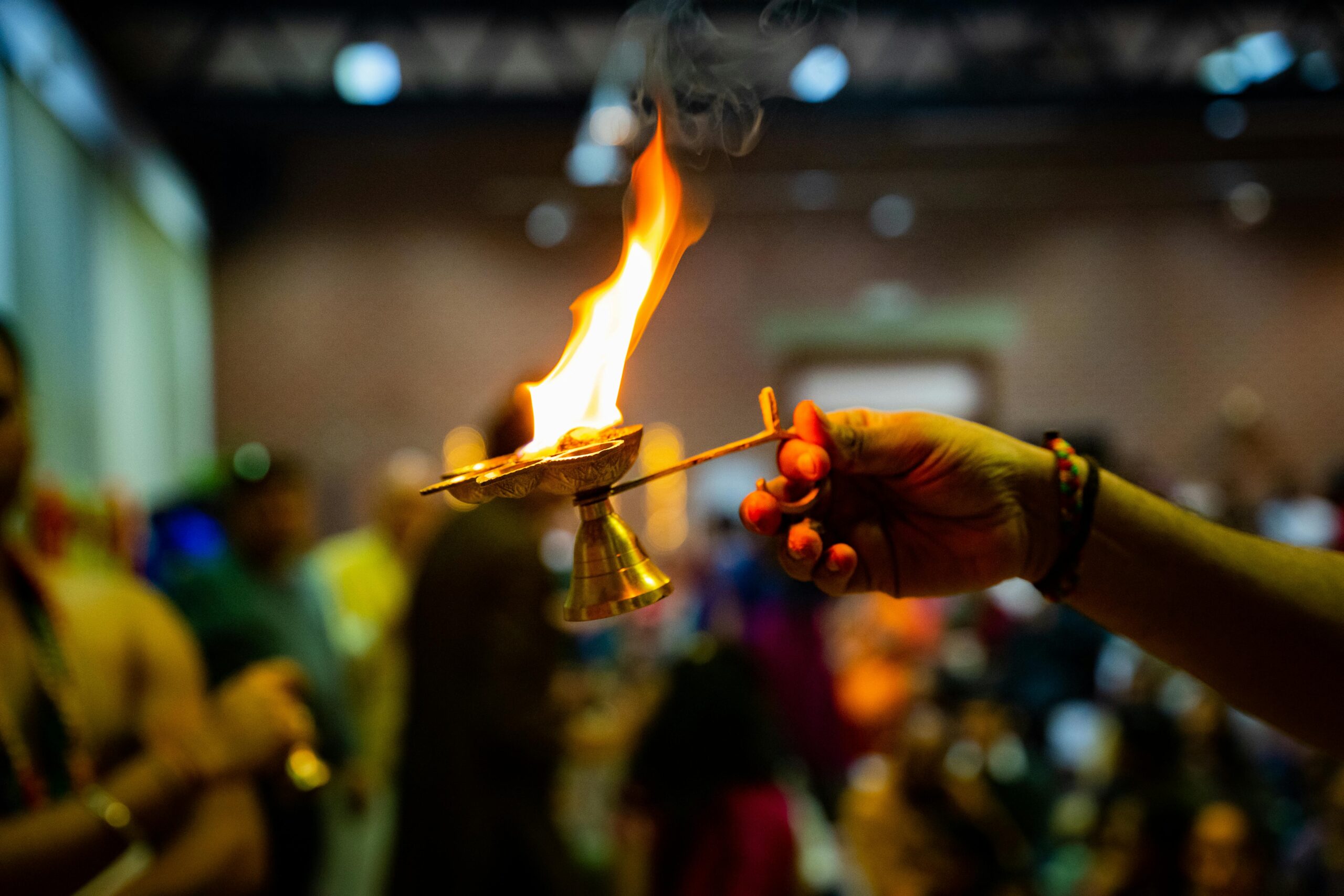
Aarti is an important ritual that usually follows pooja. It involves offering light, typically from a lamp or candle, to the deity while singing devotional hymns. The flame symbolizes knowledge, purity, and the removal of darkness from one’s life.
The act of performing aarti creates a powerful spiritual ambiance. The combination of light, sound, and devotion helps devotees experience a sense of unity and divine presence. It is both a personal and communal expression of faith.
The Aarti Ceremony
Aarti is commonly performed at sunrise and sunset, aligning with natural cycles of the day. It may also take place during festivals and special occasions. The ceremony involves circling the lit lamp before the deity while chanting prayers.
Different regions and traditions may have variations in the style and presentation of aarti. Some are simple and quiet, while others are grand and accompanied by music and instruments. Regardless of the form, the essence remains the same—expressing devotion and seeking divine blessings.
Spiritual and Psychological Significance
Pooja and aarti offer more than religious fulfillment; they contribute significantly to emotional and mental well-being. These rituals provide moments of calm, reflection, and gratitude, helping individuals cope with stress and find inner balance.
Participating in communal worship also strengthens social bonds and fosters a sense of belonging. The discipline of regular rituals encourages mindfulness and self-awareness, supporting personal growth and spiritual development.
Common Offerings and Their Symbolism
Offerings made during pooja and aarti carry deep symbolic meanings:
-
Fruits represent abundance and gratitude.
-
Sweets symbolize joy and divine blessings.
-
Flowers express purity, love, and devotion.
-
Incense purifies the environment and invites positive energy.
-
Lamps (Diyas) signify light, knowledge, and spiritual awakening.
These offerings transform the ritual into a holistic experience that engages both the senses and the spirit.
Regional Variations in Ritual Practices
India’s cultural diversity is reflected in the varied ways pooja and aarti are performed across regions. In northern India, rituals often include Sanskrit chants and elaborate decorations, while southern traditions may incorporate regional languages, specific offerings, and distinct temple customs.
Western regions often emphasize community participation, especially during festivals, with music and dance playing a prominent role. These variations highlight the adaptability of Hindu rituals while preserving their core spiritual essence.
Conclusion: Integrating Rituals into Daily Life
Pooja and aarti are not just traditional practices—they are pathways to spiritual growth and inner harmony. By incorporating these rituals into daily life, individuals can create moments of peace, strengthen their faith, and maintain a connection with the divine.
These practices also nurture community bonds and cultural continuity, making them relevant in both personal and social contexts. Embracing pooja and aarti allows individuals to experience a deeper sense of purpose, mindfulness, and spiritual fulfillment in everyday life.