Shiva temples hold a central place in Hindu tradition, serving as sacred spaces where devotion, culture, and community life come together. Dedicated to Lord Shiva—revered as the transformer within the Hindu Trinity—these temples are not only places of worship but also vibrant centers of spiritual and social activity. They reflect centuries of faith and continue to inspire millions of devotees seeking peace, guidance, and divine connection.
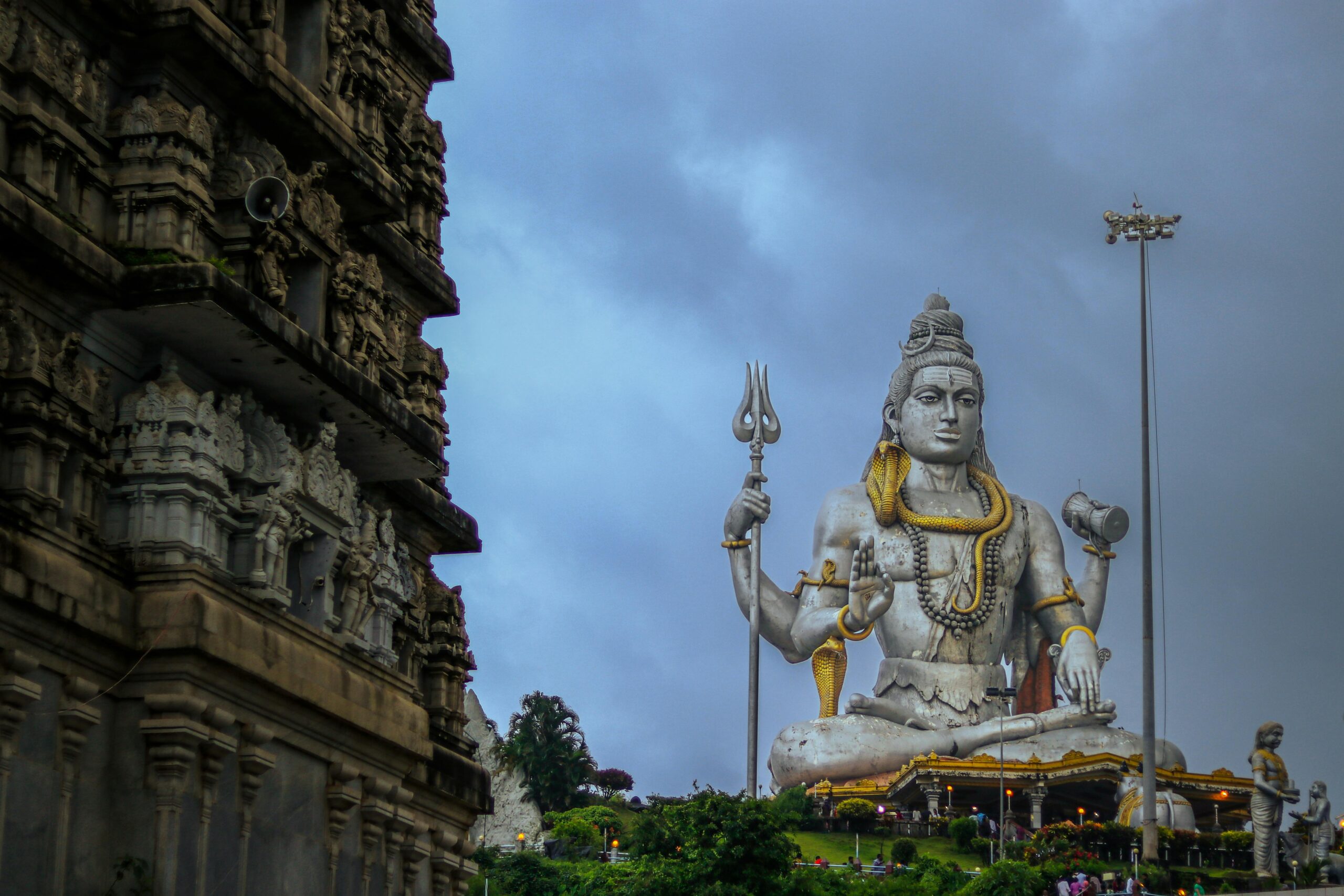
Historical and Cultural Significance
The origins of Shiva temples trace back thousands of years, with early forms of worship evolving into magnificent temple structures over time. Ancient civilizations and later dynasties contributed to their growth, transforming simple shrines into grand architectural landmarks. During periods of cultural prosperity, temple construction flourished, and these sites became hubs for education, art, and community gatherings.
Regional dynasties across India played a key role in shaping temple traditions, rituals, and designs. Even today, Shiva temples stand as living symbols of continuity, preserving ancient practices while adapting to modern times.
Architectural Diversity and Artistic Excellence
Shiva temples showcase remarkable architectural diversity across India. In the northern regions, temples often feature towering spires (shikharas) and intricate carvings that depict mythological stories and divine forms. In contrast, southern temples follow the Dravidian style, characterized by grand gateways (gopurams), spacious courtyards, and detailed stonework.
These structures are more than religious monuments—they are masterpieces of art and engineering. The sculptures, carvings, and layouts reflect deep spiritual symbolism, illustrating themes of creation, destruction, and cosmic balance associated with Lord Shiva.
Prominent Shiva Temples in India
India is home to numerous revered Shiva temples that attract pilgrims and visitors from around the world. Some of the most significant include:
-
Kashi Vishwanath Temple – One of the holiest Shiva temples, known for its spiritual atmosphere and deep connection to liberation (moksha).
-
Brihadeeswarar Temple – A UNESCO World Heritage Site renowned for its grandeur and Dravidian architecture.
-
Amarnath Cave – A sacred pilgrimage site famous for the naturally forming ice Shiva Lingam.
These temples not only hold religious importance but also represent India’s rich cultural and historical heritage.
Rituals, Festivals, and Worship Practices
Worship in Shiva temples involves a variety of rituals, with daily puja being the most common. Devotees offer milk, water, fruits, and sacred items to the Shiva Lingam while chanting prayers and hymns. The morning and evening aarti ceremonies are especially significant, symbolizing devotion and spiritual awakening.
Among the many festivals, Maha Shivaratri stands out as the most important. Devotees observe fasting, night-long prayers, and special rituals to seek blessings and spiritual growth. These practices reinforce the values of devotion, discipline, and inner reflection.
Legends and Spiritual Narratives
Shiva temples are deeply connected with myths and legends that enhance their spiritual significance. Stories of divine manifestations, miracles, and भक्त experiences are often associated with these sacred sites. Such narratives not only strengthen faith but also provide moral and philosophical insights into life.
These legends transform temples into more than physical structures—they become living embodiments of belief, where devotees experience a profound connection with the divine.
Pilgrimage and Spiritual Journey
Pilgrimage to Shiva temples is an important aspect of Hindu spirituality. It represents both a physical journey and an inner quest for purification and enlightenment. Devotees often travel long distances, overcoming challenges as an act of dedication and faith.
Preparation for such journeys typically includes prayer, fasting, and self-discipline. Visiting these sacred sites allows individuals to detach from daily life and immerse themselves in spiritual reflection, creating a transformative experience.
Cultural and Social Influence
Beyond religion, Shiva temples play a significant role in shaping cultural identity. They host festivals, rituals, and community events that bring people together, fostering unity and shared traditions. Temple art, music, and architecture also contribute to preserving and promoting cultural heritage.
These spaces serve as centers for learning and cultural exchange, ensuring that traditions are passed down through generations while remaining relevant in modern society.
Conclusion: An Enduring Symbol of Faith
Shiva temples continue to stand as timeless symbols of devotion, spirituality, and cultural richness. They bridge the past and present, offering a space where individuals can seek meaning, peace, and connection in an ever-changing world.
Their enduring legacy lies not only in their architectural beauty but also in their ability to inspire faith and unity. By preserving and respecting these sacred spaces, we ensure that the spiritual and cultural essence of Shiva worship continues to guide future generations.