
Holi, widely celebrated as the Festival of Colors, stands as one of India’s most joyful and culturally rich traditions. Observed each year in March, this vibrant festival heralds the arrival of spring and symbolizes the victory of good over evil. Rooted in ancient mythology and shaped by centuries of tradition, Holi represents renewal, forgiveness, and the strengthening of relationships. As communities across the country prepare to celebrate Holi 2026, it becomes increasingly important to embrace the festivities with awareness, responsibility, and care for health and safety.
The Cultural Significance of Holi
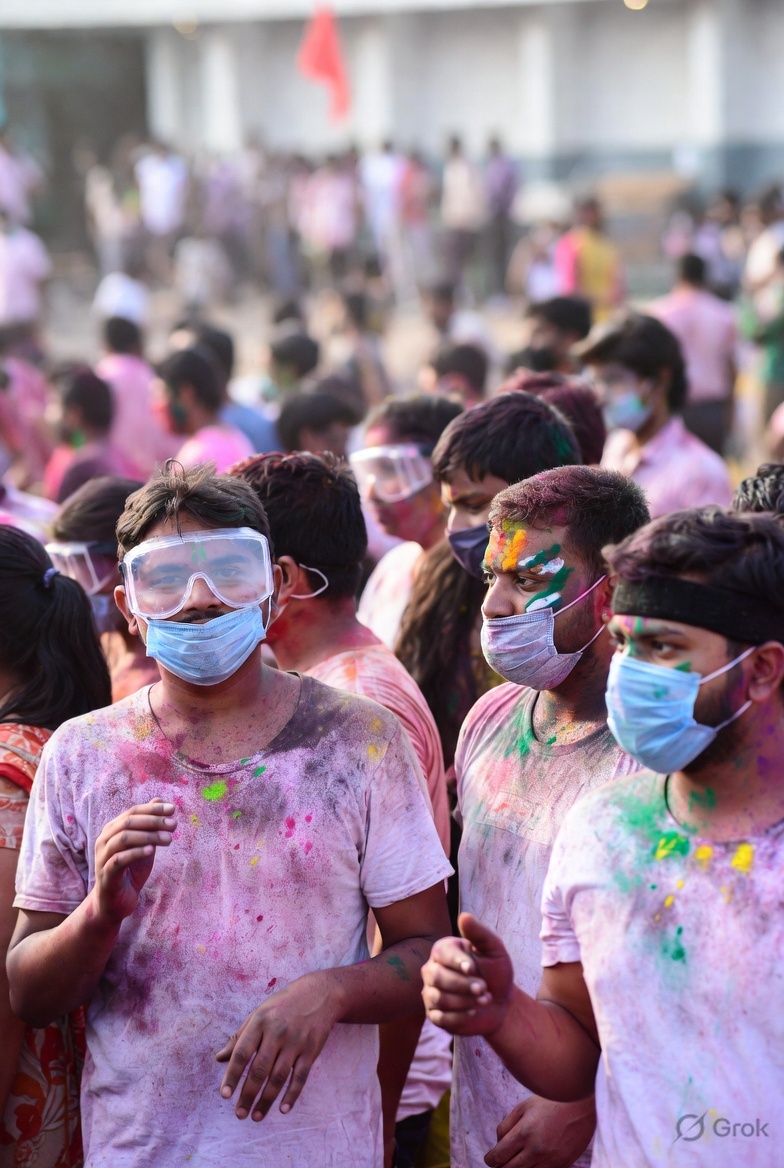
Holi traces its origins to the legend of Prahlada and Holika, symbolizing the victory of devotion and righteousness over evil. The celebrations begin with Holika Dahan, a sacred bonfire ritual where families pray and offer grains and coconuts to mark the burning of negativity. The next day bursts into vibrant festivities with gulaal, water splashes, music, and dance, dissolving social barriers and uniting communities in joy. From the spirited Lathmar Holi of Barsana to the grand celebrations across the Braj region, the festival reflects India’s cultural richness while encouraging reconciliation, togetherness, and mindful celebration with attention to health and safety.
Understanding the Health Impact of Holi
While Holi promotes togetherness and happiness, modern celebrations sometimes involve practices that can pose health risks. Awareness and preparation can significantly reduce these concerns.
Skin and Allergic Reactions
One of the most common issues during Holi arises from synthetic colors. Many commercially available powders contain artificial dyes, heavy metals, and chemical additives. Direct contact with such substances can cause skin irritation, rashes, itching, and allergic reactions—particularly for individuals with sensitive skin or pre-existing dermatological conditions.
Dehydration and Heat Exhaustion
Holi typically coincides with rising temperatures in many parts of India. Prolonged outdoor activity, dancing, and exposure to sunlight can lead to dehydration. Without sufficient fluid intake, individuals may experience dizziness, fatigue, headaches, or even heat exhaustion.
Respiratory Concerns
The fine particles present in dry color powders can become airborne and may be inhaled unintentionally. For individuals with asthma, allergies, or other respiratory conditions, this can trigger coughing, wheezing, or breathing discomfort.
Eye Irritation
Eyes are especially vulnerable during Holi. Colored powders and water splashes may cause redness, burning sensations, or temporary blurred vision if not properly protected.
Recognizing these risks does not diminish the spirit of Holi. Instead, it empowers individuals to celebrate more safely and responsibly.
Choosing Safe and Eco-Friendly Colors
A truly healthy Holi begins with mindful color choices, and opting for natural, eco-friendly hues helps protect both people and the environment. Plant-based colors made from turmeric, beetroot, spinach, or dried flower petals are biodegradable, gentle on the skin, and less likely to cause allergies while also reducing water pollution from synthetic dyes. When buying colors, choose products labeled non-toxic and skin-safe, and avoid overly bright or metallic shades that may contain harmful additives—supporting responsible manufacturers encourages safer and more sustainable celebrations across the country.
Pre- and Post-Holi Skin Care
Protecting your skin and hair before and after Holi can significantly reduce damage.
Before Stepping Out
Start with clean skin and apply a generous layer of moisturizer or natural oil, such as coconut or almond oil. This creates a protective barrier that prevents colors from penetrating deeply into the skin. Applying sunscreen is equally important to shield against UV exposure during outdoor festivities.
For hair, massage a light coating of oil or apply a leave-in conditioner. This protective layer reduces dryness and makes post-celebration cleansing easier. Tying hair in a braid or bun can minimize exposure.
Wearing full-sleeved clothing and sunglasses offers additional protection.
After the Celebration
Once the festivities conclude, gently rinse off colors using lukewarm water. Avoid scrubbing aggressively, as this can irritate the skin. Use a mild cleanser and follow up with a nourishing moisturizer to restore hydration.
For hair, choose a gentle shampoo and apply a deep conditioning treatment. Aloe vera gel or cucumber-based products can soothe any irritation on the skin.
The Importance of Staying Hydrated
Hydration plays a crucial role in maintaining energy and preventing heat-related issues during Holi. Begin the day with a glass of water and continue to drink fluids at regular intervals.
Coconut water is an excellent natural hydrator due to its electrolyte content. Fresh fruit juices, lemon water, and herbal infusions can also replenish lost fluids. Consuming water-rich fruits like watermelon, oranges, and cucumbers further supports hydration.
Limiting caffeinated and sugary beverages helps prevent unnecessary fluid loss. Even amidst excitement, taking short breaks to rehydrate ensures that celebrations remain enjoyable rather than exhausting.
Protecting Your Eyes
Eye safety should never be overlooked. Wearing protective eyewear, such as sunglasses or clear goggles, can prevent color particles from entering the eyes.
If color accidentally gets into the eyes, rinse immediately with clean water. Avoid rubbing, as this may cause irritation. Lubricating eye drops can help soothe mild discomfort. However, if redness, pain, or vision disturbances persist, seeking medical advice is advisable.Taking these precautions allows participants to fully enjoy the festivities without risking eye health.
Managing Allergies and Emergencies
Individuals with known allergies should take extra precautions. Carrying prescribed antihistamines or necessary medication can provide quick relief if mild symptoms arise.
Symptoms of allergic reactions may include itching, swelling, rashes, nasal congestion, or breathing difficulty. If someone exhibits severe symptoms—such as facial swelling, difficulty breathing, or dizziness—immediate medical attention is essential.
Informing friends and family about existing allergies ensures that support is readily available if needed. Having a basic first-aid kit accessible during gatherings is also a practical measure.Preparedness enhances confidence and allows individuals to celebrate without constant worry.
Food Safety and Moderation
Holi is synonymous with festive treats such as gujiya, malpua, thandai, and savory snacks. While indulging is part of the celebration, moderation is key.
Ensure that food is prepared hygienically and stored properly to prevent contamination. Avoid consuming items that have been left uncovered for extended periods, especially in warm weather. Drinking beverages from sealed containers or trusted sources further reduces the risk of foodborne illnesses.Balancing festive indulgence with mindful consumption contributes to overall well-being.
Communal Safety and Responsible Celebration
Large gatherings during Holi require thoughtful coordination. Communities should ensure clear entry and exit pathways, adequate space, and access to emergency assistance if needed.
Respecting personal boundaries is equally important. Celebrations should be rooted in consent and mutual enjoyment. Applying color forcefully or targeting unwilling participants can diminish the festival’s spirit.
Encouraging responsible behavior—such as avoiding excessive intoxication and refraining from reckless activities—creates a safer environment for everyone. Looking out for children, elderly individuals, and those who may feel overwhelmed further strengthens community bonds.A culture of mutual respect ensures that Holi remains inclusive and welcoming.
Environmental Responsibility
Modern Holi celebrations can inadvertently generate waste, including plastic packaging and water pollution. Choosing biodegradable materials, minimizing water wastage, and cleaning up responsibly afterward demonstrate environmental consciousness.
Celebrating with dry colors instead of excessive water use can conserve valuable resources. Organizing post-celebration clean-up drives within communities reinforces collective responsibility.Protecting the environment aligns beautifully with Holi’s core message of renewal and harmony.
A Balanced Approach to Holi 2026
Holi 2026 presents an opportunity to blend tradition with mindfulness. By embracing eco-friendly colors, prioritizing hydration, protecting skin and eyes, and practicing communal respect, individuals can preserve both their well-being and the festival’s authentic spirit.
As families and communities gather to mark this vibrant occasion, let safety and awareness guide every celebration. When joy is balanced with responsibility, Holi becomes not only colorful but also meaningful and sustainable.