For thousands of years, sacred images have held an important place in Hindu spiritual traditions. Known as Murti Puja, the practice of worshipping a divine form is followed in temples and homes across India and by Hindu communities around the world. But why do Hindus worship idols when the divine is often described as formless and beyond human understanding?
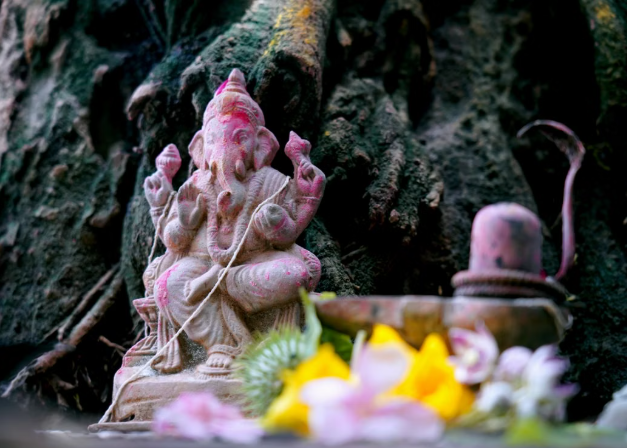
Pic Credit: Pexel
The answer lies in the relationship between the visible and the invisible. Hindu philosophy includes different ways of understanding the divine, including the idea of the formless absolute as well as the divine experienced through a particular form. For many devotees, a murti provides a tangible focus for prayer, meditation and devotion. Instead of trying to concentrate on something completely beyond the senses, the worshipper can begin with a sacred form and gradually turn the mind towards the deeper spiritual meaning represented by it.
A murti is therefore much more than a physical object. For a devotee, it can become a reminder of the divine presence and a focal point for personal prayer. The idea can be understood through the simple example of a photograph. A photograph is not the person it represents, but seeing it can bring memories, emotions and a feeling of closeness. In a similar way, a sacred image can help a devotee remember the divine and express feelings of love, gratitude, surrender and faith.
The Bhagavad Gita also addresses the challenge of concentrating on the unmanifest. In Chapter 12, it describes meditation on the unmanifest as difficult for embodied beings. This provides an important philosophical context for devotional practices that use a visible form as a support for concentration.
The Spiritual Meaning Behind Hindu Idols
Every major deity in Hindu worship carries a rich collection of stories, symbols and spiritual ideas. The form of the deity is often connected with qualities that devotees are encouraged to remember and cultivate in their own lives.
Ganesha is traditionally associated with wisdom, auspicious beginnings and the removal of obstacles. Saraswati represents knowledge, learning and creativity, while Lakshmi is associated with prosperity, well-being and abundance. Durga represents strength and protection, while Shiva is often connected with meditation, transformation and detachment. Vishnu is associated with preservation and the protection of cosmic order, and Hanuman is widely revered for courage, loyalty, selfless service and devotion.
These meanings make Hindu deity worship more than a visual practice. The sacred form can become a reminder of how a person wishes to live. A devotee praying before Ganesha may reflect on patience and wisdom when facing difficulties. The image of Durga may inspire courage during challenging times, while Hanuman's devotion can remind a person of humility, loyalty and dedicated service.
Why Are Hindu Idols Made in Different Forms?
The appearance of a murti is traditionally filled with symbolism. The posture of the deity, the position of the hands, the objects held, the ornaments and other details can communicate particular spiritual ideas and stories. These features create a visual language through which complex concepts can become easier to remember and contemplate.
This is one reason Hindu temples contain such a wide variety of divine forms. Different forms allow devotees to approach the divine through different qualities and relationships. Some may seek wisdom, others strength, protection, prosperity, peace or devotion. The diversity of forms reflects the broad and varied nature of Hindu religious traditions.
What Materials Are Used to Make Murtis?
Hindu murtis have traditionally been created from a variety of materials, including stone, metal, wood and clay. The choice of material can depend on regional customs, artistic traditions, the intended use of the image and the religious tradition followed by the community.
Stone and metal images are commonly found in temples and household shrines, while clay has an important role in several festival traditions. Artisans carefully work on the form, proportions and details of the image, with traditional practices influencing how particular deities are represented.
The craftsmanship itself can be viewed as part of the devotional process. An artist is not merely creating a decorative object but giving physical expression to a form that carries religious stories, symbolism and cultural memory.
Murti Puja in Everyday Life
Murti worship is not limited to major temples or large religious festivals. For many Hindu families, a small shrine at home is part of everyday spiritual life. A morning prayer, a lighted lamp, flowers, a mantra or a few quiet minutes before a deity can create a regular moment of reflection.
Such practices can also become especially meaningful during difficult periods. Prayer may give devotees an opportunity to slow down, express their concerns and seek inner strength. The practice does not necessarily remove life's difficulties, but it can provide a sense of calm, faith and emotional grounding.
For children, home worship can also be an introduction to Hindu stories, traditions and values. Through family prayers and festivals, younger generations learn about ideas such as gratitude, discipline, compassion, respect and devotion.
Murti Puja and Hindu Festivals
Hindu festivals provide some of the most visible expressions of murti worship. During festivals dedicated to different deities, sacred images become part of prayer, music, decoration, community gatherings and traditional celebrations.
These occasions bring together spirituality and culture. Families and communities come together to worship, share stories and participate in rituals that have been passed down through generations. The murti becomes a central point around which religious and cultural experiences are shared.
Festivals also demonstrate that Hindu worship is not limited to a single form or method. Different regions and communities have developed their own traditions, rituals and artistic styles, creating a rich variety of practices within Hinduism.
Is Murti Worship the Same as Worshipping a Statue?
The phrase “idol worship” can sometimes create confusion because it may suggest that devotees simply consider a physical object to be a god. Hindu traditions contain more nuanced understandings of sacred images.
For many devotees, the murti is a sacred representation and a means of focusing devotion. The physical form provides something visible and familiar, while the spiritual meaning extends beyond the material object. The importance of the murti therefore lies not only in what it looks like but also in what it represents and how it is approached through ritual, prayer and devotion.
Different Hindu philosophical and devotional traditions explain this relationship in different ways. There is no single interpretation that represents every Hindu community. This diversity is an important part of understanding Hinduism itself.
The Deeper Meaning of Murti Puja
At its heart, Murti Puja can be understood as a practice of remembrance. The sacred form helps the mind become focused, while the symbolism of the deity encourages reflection on deeper values.
For many devotees, the journey begins with an external form but gradually becomes an inward experience. A person may begin by looking at a murti, offering flowers or lighting a lamp. Over time, the practice can encourage greater attention to qualities such as patience, courage, compassion, discipline and devotion in everyday life.
This gives Murti Puja a relevance that extends beyond the temple or home shrine. It connects spiritual ideas with ordinary human experiences and encourages devotees to carry those values into their relationships, responsibilities and decisions.
Why Murti Puja Remains Relevant Today
Modern life is filled with constant activity, information and distraction. In such an environment, simple spiritual practices can provide moments of quiet and reflection. Sitting before a sacred image, repeating a prayer or lighting a lamp can create a deliberate pause in the day.
For believers, that pause can be an opportunity to reconnect with faith and remember what they consider important. The practice can also strengthen family traditions and preserve cultural identity while allowing each generation to develop its own relationship with spirituality.
Ultimately, a murti is not meaningful simply because it has a particular shape or material. Its deeper significance comes from the devotion, symbolism and spiritual ideas connected with it. For many Hindus, the sacred form provides a bridge between the physical and the spiritual, between what can be seen and what is believed to exist beyond the visible world.
Murti Puja can therefore be understood not simply as the worship of an image, but as a way of focusing the mind, expressing devotion and remembering the divine. The form gives the devotee a place to begin, while faith and reflection allow the spiritual journey to move beyond the form itself.

