From ancient prayers and meditation to modern spiritual practices, Rudraksha continues to hold a special place in Indian traditions as a symbol of devotion, inner peace and connection with Lord Shiva.
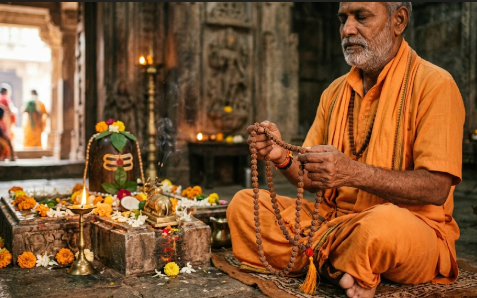
In India's spiritual traditions, some objects are valued not because of their material worth, but because of the meaning they carry. Rudraksha is one such sacred symbol. Worn around the neck, held during meditation or used as a prayer mala, the natural seed has been associated with Lord Shiva and spiritual discipline for centuries.
For many devotees, Rudraksha is more than a bead. It represents a personal connection with the divine and serves as a reminder of faith, self-control and inner awareness.
Rudraksha comes from the fruit of the Elaeocarpus ganitrus tree, which is found in parts of India, Nepal, Indonesia and other areas of South and Southeast Asia. When the fruit is cleaned and dried, the hard seed inside reveals naturally formed lines or faces known as mukhis. These natural patterns give each bead its distinctive appearance.
A spiritual connection with Lord Shiva
The story of Rudraksha is deeply connected with Lord Shiva. According to Hindu tradition, the seeds are believed to have originated from Shiva's tears after a period of deep meditation. The story has helped make Rudraksha a powerful symbol of compassion, spiritual awakening and devotion.
The word itself reflects this sacred association. “Rudra” is traditionally connected with Shiva, while “aksha” is associated with the eye or tear. Over generations, Rudraksha has therefore become an important part of Shaivite worship and spiritual practice.
For devotees, wearing a Rudraksha can serve as a quiet reminder of Lord Shiva and the values associated with spiritual life.
Rudraksha and the practice of meditation
One of the most familiar uses of Rudraksha is in a mala. A traditional mala generally contains 108 beads along with an additional bead. Practitioners use the beads while chanting mantras, allowing the fingers to move from one bead to the next.
This simple practice can create a steady rhythm during prayer and meditation. Instead of allowing the mind to constantly move between different thoughts, the repetitive movement and chanting can help practitioners remain focused on their spiritual practice.
The five-mukhi Rudraksha is among the varieties commonly used in malas. Other beads are identified by the number of natural grooves or faces they contain, with different mukhi varieties carrying different meanings in traditional belief systems.
A symbol of inner calm
In today's busy lifestyle, spiritual practices often provide people with an opportunity to step away from constant activity. Rudraksha has found relevance in this environment because it is closely connected with meditation, prayer and reflection.
For some people, simply holding a Rudraksha mala during meditation creates a sense of familiarity and calm. For devotees, its importance goes deeper, representing faith and a connection with a spiritual tradition passed down through generations.
The bead can therefore become part of a personal routine — a few quiet minutes of chanting in the morning, meditation before starting the day or prayer in the evening.
Faith, tradition and modern spirituality
Rudraksha's popularity today extends beyond temples and traditional religious settings. It is increasingly seen in yoga centres, meditation practices and spiritual communities around the world.
Its appeal comes partly from its simplicity. It is a natural seed that carries centuries of stories and religious symbolism. Unlike many modern wellness products, its significance is rooted in an ancient cultural tradition.
However, traditional spiritual beliefs should be distinguished from scientifically proven medical benefits. Rudraksha is sometimes associated with claims about curing diseases or treating specific health conditions, but such claims do not have sufficient clinical evidence to be regarded as established medical treatments.
Its spiritual value, on the other hand, remains an important part of the traditions in which it is used.
Protecting the sacred tree
The story of Rudraksha is also connected with nature. Since the beads come from a living tree, responsible cultivation and harvesting are important as demand increases.
Protecting Rudraksha trees, encouraging plantations and ensuring responsible sourcing can help preserve both the ecological resource and the cultural tradition associated with it.
An ancient symbol with a modern meaning
Rudraksha has survived across generations because its significance is not limited to its physical form. It carries stories of Shiva, devotion and meditation while giving people a tangible object through which they can express their spiritual beliefs.
For one person, it may be a sacred mala used during mantra chanting. For another, it may be a reminder to remain peaceful and mindful during a demanding day. For a devotee, it can represent a deeply personal connection with Lord Shiva.
That enduring emotional and spiritual connection is what keeps Rudraksha relevant today. In a world increasingly dominated by technology and constant distraction, the humble seed continues to remind many people of something much simpler — the importance of faith, silence, reflection and an inward journey.