
Pic Credit: Pexel
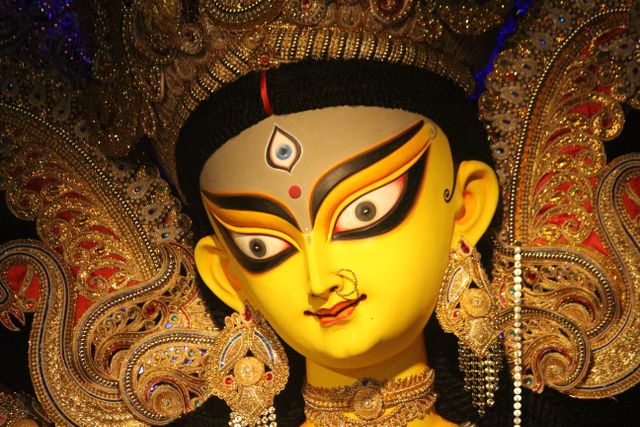
Navratri is one of India’s most significant religious festivals, bringing together devotion, cultural traditions and the timeless message of good triumphing over evil. Celebrated over nine nights, the festival honours Goddess Durga and her nine forms, each representing qualities such as courage, wisdom, strength, compassion and protection. For millions of devotees, Navratri is not only a time for prayer and fasting but also an opportunity for spiritual reflection, family gatherings and cultural celebrations.
The word Navratri comes from two Sanskrit words: nava, meaning nine, and ratri, meaning night. Although the festival is observed four times during the Hindu calendar year, the Sharad Navratri, celebrated during September and October, is the most widely observed. The festival concludes with Vijayadashami, also known as Dussehra, which symbolises the victory of righteousness over evil.
Nine Days, Nine Forms of Goddess Durga
Each day of Navratri is dedicated to one of the nine forms of Goddess Durga, collectively known as Navadurga. These forms reflect different aspects of feminine power and spiritual strength.
The celebrations begin with Shailaputri, followed by Brahmacharini, Chandraghanta, Kushmanda, Skandamata, Katyayani, Kalaratri, Mahagauri and Siddhidatri. Together, they represent a journey of devotion, discipline, courage and spiritual growth.
For devotees, worshipping these forms is a way to seek blessings for peace, prosperity, wisdom and strength to overcome life’s challenges. The festival also highlights the importance of feminine energy, reinforcing the role of women as symbols of resilience, creativity and nurturing power.
Traditions That Bring Communities Together
Navratri celebrations differ across India, reflecting the country’s diverse cultural heritage. In Gujarat, colourful Garba and Dandiya Raas performances bring communities together through music and dance. People dress in traditional attire, gather in decorated venues and participate in celebrations that continue late into the evening.
In West Bengal and Assam, the festival coincides with Durga Puja, which commemorates Goddess Durga’s victory over the buffalo demon Mahishasura. Elaborately decorated pandals, artistic idols, devotional performances and community gatherings make the occasion a major cultural event.
In southern India, families celebrate Navratri Golu by arranging dolls and figurines on stepped platforms. The displays often depict Hindu deities, mythological stories and scenes from traditional epics. Ayudha Puja, observed during the festival, honours the tools, instruments and equipment people use in their professions and daily lives.
These traditions demonstrate how a shared spiritual occasion can bring together people of different generations while preserving regional art, music, craftsmanship and customs.
Fasting, Prayer and the Spirit of Giving
For many households, Navratri is a period of self-discipline and spiritual renewal. Devotees may observe fasts, follow vegetarian diets, visit temples and offer prayers to Goddess Durga. Special foods are prepared as bhog, or offerings to the deity, before being shared as prasad.
Kanya Puja, commonly observed on the eighth or ninth day in many traditions, is another important ritual. Young girls are honoured as manifestations of the divine feminine, and families offer them food, gifts and blessings. The practice carries a message of respect for girls and the importance of recognising the dignity and potential of every child.
Beyond religious rituals, the festival encourages people to reflect on kindness, patience, discipline and the value of helping others.
Navratri and Its Economic Significance
Navratri also creates opportunities for businesses, artisans and local communities. The rise in demand for traditional clothing, jewellery, decorative items, पूजा materials, sweets and festive food supports a wide range of small and medium-sized enterprises.
Local markets often see increased activity as families purchase outfits, gifts and household decorations. Garba events, Durga Puja pandals and community celebrations generate demand for event organisers, musicians, lighting professionals, decorators, transport providers and food vendors.
Artisans who create idols, traditional accessories, handcrafted decorations and festive ornaments also benefit from seasonal demand. For small retailers and home-based businesses, the festival can provide an important opportunity to increase sales and reach new customers.
The growing popularity of organised cultural events and festive shopping also encourages businesses to develop new products, improve customer experiences and promote locally made goods. However, the extent of these economic benefits varies by region, consumer spending and the scale of celebrations.
Vijayadashami: The Message of Victory
The tenth day, Vijayadashami, brings the Navratri celebrations to a symbolic conclusion. In many traditions, it commemorates Goddess Durga’s victory over Mahishasura. In northern India, Dussehra is also associated with Lord Rama’s victory over Ravana, often marked by the burning of effigies during public celebrations.
Although the stories differ, their central message remains the same: arrogance, injustice and wrongdoing cannot ultimately overcome truth and righteousness.
In today’s world, this message continues to hold relevance. Navratri reminds people that real strength lies not only in overcoming external challenges but also in confronting fear, anger, prejudice and dishonesty within themselves.
A Festival That Connects Faith, Culture and Society
Navratri is much more than nine nights of worship. It is a celebration of feminine power, cultural identity, community participation and the enduring belief that good can overcome evil. From temple prayers and family rituals to traditional dances and bustling marketplaces, the festival touches many aspects of Indian life.
As communities come together to celebrate, Navratri offers an opportunity to preserve cultural traditions, support local artisans and strengthen social bonds. Its lasting significance lies in the values it encourages: courage in difficult times, respect for others, faith in righteousness and hope for a better future.
Ultimately, the spirit of Navratri extends beyond the festival itself. It inspires people to carry the values of strength, compassion and positivity into their everyday lives.