Vadodara, Sep 8: India is getting closer to seeing its own high-speed bullet train on the tracks, with trials of the indigenous train expected to begin by May or June next year, Union Railway Minister Ashwini Vaishnaw said on Tuesday.
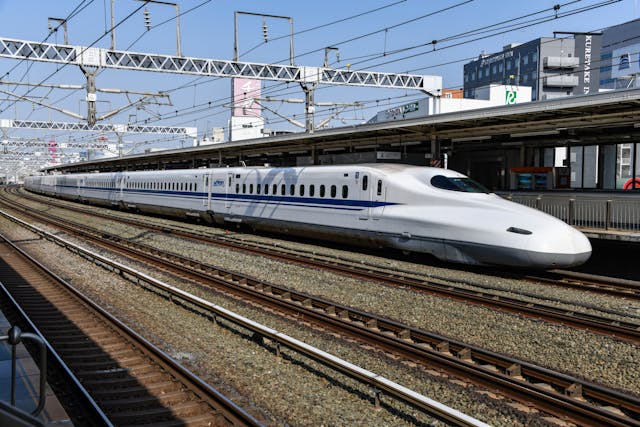
Speaking at the ‘NaMo for Viksit Bharat’ event in Vadodara, Vaishnaw said the first body frame of the Made-in-India bullet train has been completed and sent for a squeeze test. The development marks a significant step towards building high-speed rail technology within the country.
According to the minister, the train will undergo around two to four months of testing before its formal inauguration. The project is being developed in line with the government’s push for Atmanirbhar Bharat, with greater emphasis on domestic manufacturing, engineering and technology.
The indigenous train is planned for the Mumbai-Ahmedabad High-Speed Rail corridor, which spans 508 km and is designed for speeds of up to 320 kmph. Once fully operational, the corridor is expected to dramatically cut travel time between the two cities and improve connectivity across major economic centres.
For Vadodara residents and businesses, the project could bring an even bigger advantage. Vaishnaw said the journey from Vadodara to Mumbai could take around 1.5 hours, making same-day business travel and faster movement between the two cities more convenient.
Work on the high-speed rail corridor is progressing across different sections. The Vapi-Surat stretch is expected to see civil construction completed by December, while services are planned to begin in phases during 2027.
The development of the indigenous B28 trainset is another important step in India's effort to build its own high-speed rail capabilities. The domestically manufactured train is expected to be used on the initial operational stretch, giving Indian engineers and manufacturers valuable experience in producing advanced rail systems.
The bullet train project is also expected to create wider economic opportunities. Faster connectivity can support tourism, business travel, local employment and commercial activity around stations, while encouraging the growth of hotels, retail outlets, transport services and other businesses.
Vaishnaw also highlighted the broader modernisation taking place across Indian Railways, including upgrades to operating and reservation systems, construction practices and freight transportation.
New wagon designs, including specialised wagons for salt transportation, are also being introduced as the Railways looks to make freight movement more efficient and better suited to different industries.
With the indigenous bullet train expected to enter trials next year, India is moving into an important phase of its high-speed rail journey. The project represents not just faster travel, but also a growing effort to develop advanced railway technology and manufacturing capabilities within the country.