Pic Credit: Pexel
India's spiritual landscape is as diverse as its culture. Across mountains, riverbanks, ancient cities and coastal temples, the country is home to some of the world's most important pilgrimage destinations.
For millions of people, these journeys are not simply about visiting a temple or sacred site. They are about faith, tradition, self-discovery and finding a moment of peace away from the pace of everyday life.
From the timeless ghats of Varanasi and the peaceful surroundings of Bodh Gaya to the Himalayan heights of Kedarnath and the devotional energy of Tirupati, these destinations offer travellers a glimpse into India's rich spiritual heritage.
1. Varanasi, Uttar Pradesh – The Eternal City of Faith
Varanasi, also known as Kashi or Banaras, stands among India's most revered spiritual cities. Located on the banks of the Ganga, the city is deeply associated with Lord Shiva and is home to the sacred Kashi Vishwanath Temple.
The ghats, temple bells, early-morning prayers and evening Ganga Aarti give Varanasi an atmosphere unlike any other city. It is also a centre of music, learning, traditional crafts and culture, making the experience much more than a conventional pilgrimage.
2. Bodh Gaya, Bihar – The Land of Enlightenment
Bodh Gaya holds a special place in global Buddhist heritage. It is associated with the enlightenment of Gautama Buddha and is home to the Mahabodhi Temple.
The peaceful surroundings, meditation centres and monasteries attract pilgrims and spiritual seekers from India and abroad. For visitors, Bodh Gaya offers a quieter and deeply reflective experience centred on peace, meditation and the teachings of Buddha.
3. Puri, Odisha – The Sacred Home of Lord Jagannath
Puri is one of India's most important pilgrimage destinations and is famous for the Jagannath Temple. It is also one of the four major Char Dham destinations.
The annual Rath Yatra transforms the city into a vast celebration of devotion, drawing devotees from across the country. Beyond its religious importance, Puri offers visitors a rich combination of temple traditions, Odia culture, cuisine, handicrafts and coastal heritage.
4. Rishikesh, Uttarakhand – Where Spirituality Meets the Ganga
Set along the banks of the Ganga and surrounded by the Himalayan foothills, Rishikesh has become synonymous with spirituality, yoga and wellness.
Its ashrams, temples, meditation centres and Ganga Aarti attract both Indian pilgrims and international visitors. Rishikesh is particularly appealing to those looking to combine a spiritual journey with yoga, meditation and personal reflection.
5. Shirdi, Maharashtra – A Journey of Faith and Devotion
Shirdi is closely associated with Sai Baba and has become one of India's best-known spiritual destinations.
The Sai Baba Temple and Samadhi Mandir draw devotees throughout the year. For many visitors, the essence of Shirdi lies in Sai Baba's message of faith, compassion, equality and service.
The steady flow of pilgrims has also made Shirdi an important centre for hospitality, transport, food services and local businesses. Pilgrimage destinations such as Shirdi are increasingly attracting attention from the wider tourism and hospitality sector.
6. Amritsar, Punjab – A Symbol of Faith and Service
Amritsar is home to the Golden Temple, or Harmandir Sahib, one of the most revered Sikh shrines in the world.
The temple's golden architecture reflected in the sacred pool creates a memorable setting, but its most powerful message comes from the tradition of seva, or selfless service. The community kitchen, or langar, serves people regardless of their religion, background or social status.
A visit to Amritsar therefore offers not only a spiritual experience but also a powerful lesson in equality, humility and service.
7. Tirupati, Andhra Pradesh – A Major Centre of Devotion
Tirupati is one of India's most prominent pilgrimage destinations and is famous for the Sri Venkateswara Temple at Tirumala.
Devotees travel from across the country to seek the blessings of Lord Venkateswara. The scale of pilgrimage in the region has also created a large ecosystem of accommodation, transport, food, retail and other visitor services.
Tirupati's combination of faith, tradition and organised pilgrimage infrastructure makes it one of India's most significant religious tourism centres. The destination is among the major spiritual sites highlighted by the Government of India.
8. Rameswaram, Tamil Nadu – A Sacred Coastal Pilgrimage
Rameswaram is one of India's most important southern pilgrimage destinations and is famous for the Ramanathaswamy Temple.
The temple is associated with Lord Shiva and the Ramayana tradition. Its magnificent corridors, intricate architecture and sacred water sources make the pilgrimage experience distinctive.
Rameswaram also holds a special place in India's larger pilgrimage tradition as one of the four Char Dham destinations.
9. Mathura, Uttar Pradesh – The Land of Lord Krishna
Mathura is traditionally regarded as the birthplace of Lord Krishna and is an important centre of Krishna devotion.
The spiritual journey is closely connected with nearby Vrindavan, where temples, devotional music and festivals bring Krishna's traditions to life. During celebrations such as Janmashtami and Holi, the region takes on a particularly vibrant spiritual and cultural character.
Mathura's religious importance has also made it an important destination within India's wider spiritual tourism network.
10. Kedarnath, Uttarakhand – Faith Amid the Himalayas
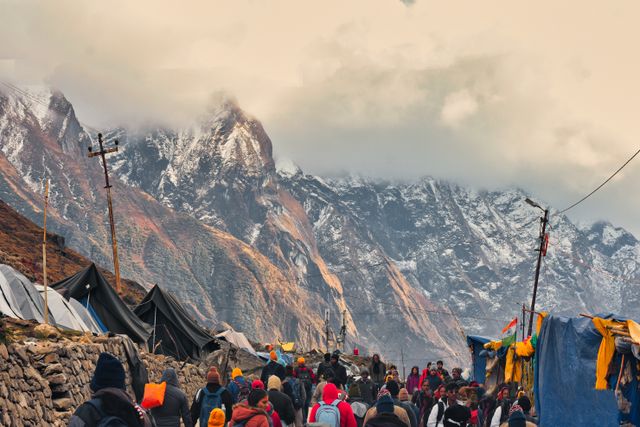
Kedarnath offers one of India's most powerful pilgrimage experiences. Located high in the Himalayas, the sacred temple is dedicated to Lord Shiva and is one of the 12 Jyotirlingas.
The journey to Kedarnath is an important part of the experience. The mountains, challenging terrain and peaceful surroundings create an atmosphere of devotion and endurance.
Kedarnath has also emerged as one of India's major pilgrimage success stories, with pilgrimage numbers rising sharply over the past decade as infrastructure and connectivity have improved.
A Spiritual Journey That Goes Beyond Religion
What makes India's pilgrimage destinations unique is the way spirituality blends with culture, history, architecture and everyday life.
A journey from Varanasi to Bodh Gaya, Puri to Rishikesh, Shirdi to Amritsar, Tirupati to Rameswaram, Mathura to Kedarnath can take travellers through completely different traditions and landscapes while offering the same underlying experience — a search for faith, peace and connection.
Pilgrimage tourism is also becoming increasingly important for local economies. Large numbers of visitors create demand for hotels, restaurants, transport, guides, handicrafts, retail and other services, generating opportunities for communities around major religious destinations.
For the traveller, however, the greatest value may lie beyond sightseeing. These journeys offer an opportunity to slow down, experience India's living traditions and discover a different side of the country — one shaped by faith, history and centuries of spiritual practice.