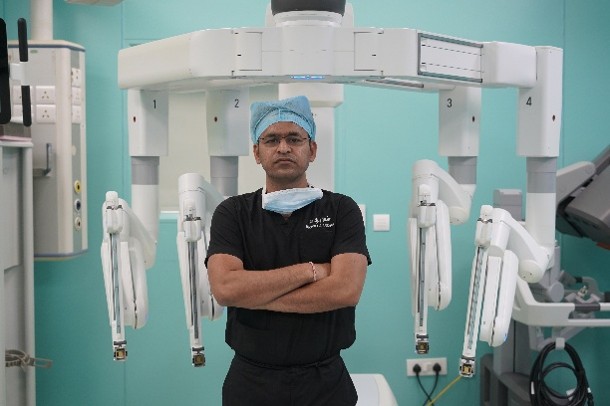

By:- Dr. Joshi Divya Rakesh, Consultant – Infectious Disease & Infection Control, KIMS Hospitals, Mahadevapura, Bengaluru.
Antibiotics transformed modern medicine. Infections that once killed—pneumonia, sepsis after childbirth, infected wounds—became curable, and antibiotics made possible much of what we now take for granted: caesarean sections, joint replacements, cancer chemotherapy, organ transplantation and intensive care. That foundation is now eroding. Antimicrobial resistance (AMR) is no longer a distant threat; as infectious diseases physicians, we see it on culture reports every day. Bacterial AMR is already associated with more than 4.7 million deaths a year worldwide, and without urgent action it could cause up to 39 million deaths by 2050. The single biggest driver of this crisis is the way we use — and misuse — antibiotics in people, in animals and in the environment.
The Scale of the Problem: Where India Stands
The World Health Organization’s Global Antibiotic Resistance Surveillance Report 2025 found that one in six laboratory-confirmed bacterial infections worldwide in 2023 was resistant to standard antibiotics. In the WHO South-East Asia Region, which includes India, the figure was close to one in three. India’s own surveillance networks — the ICMR Antimicrobial Resistance Research and Surveillance Network (AMRSN) and NCDC’s National AMR Surveillance Network (NARS-Net) — tell the same story. E. coli and Klebsiella pneumoniae, the commonest causes of urinary, abdominal and bloodstream infections, are increasingly resistant to third-generation cephalosporins and fluoroquinolones, and carbapenem resistance is now common in our intensive care units. In ICMR’s 2022 report, nearly 88% of Acinetobacter baumannii isolates were resistant to carbapenems — drugs we once held in reserve as a last line of defence.
How Does Antibiotic Resistance Arise?
Resistance is, at its core, evolution in fast-forward. Bacteria multiply rapidly, and chance genetic changes occasionally allow some of them to survive an antibiotic — by producing enzymes that destroy the drug (such as extended-spectrum beta-lactamases and carbapenemases like NDM and OXA-48, both widespread in India), by pumping the drug out, or by altering the target it acts on. Many resistance genes are carried on mobile genetic elements called plasmids, which can pass between different bacterial species. This is a natural process, but every unnecessary antibiotic exposure — in a person, an animal or the environment — kills off susceptible bacteria and leaves resistant ones to multiply and spread. Antibiotics also disturb the normal gut flora, so even a short, unnecessary course can leave a person colonised with resistant organisms that may cause infection months later, or spread silently to family members and other patients.
Why Self-Medication and Over-the-Counter Antibiotics Are Dangerous
In India, antibiotics are still widely available without a prescription, even though they are Schedule H and H1 drugs. Leftover tablets from a previous illness, a strip suggested by a neighbour or a chemist, or an antibiotic taken “just to be safe” for fever, cough, cold or loose motions — these are everyday practices. Yet most such illnesses, including common colds, influenza, most sore throats, most cases of acute diarrhoea and many acute fevers such as dengue, are caused by viruses and do not respond to antibiotics. The patient gains nothing, is exposed to side effects such as allergic reactions, Clostridioides difficile diarrhoea and drug interactions, and adds to the pool of resistance. Self-medication can also mask symptoms and delay the correct diagnosis: partially treated typhoid, tuberculosis or urinary infection becomes harder both to diagnose and to cure. Look for the Red Line on antibiotic packs — it signals that the medicine should be dispensed only on a doctor’s prescription.
It Is Not Only Patients: Prescribing Practices Matter
Responsibility does not rest with patients alone. Doctors face real pressures — patient expectations, diagnostic uncertainty, limited access to laboratory tests and the fear of missing a bacterial infection — that push us to prescribe “just in case”. Broad-spectrum antibiotics are often started without sending cultures, continued without review, or combined without clear benefit, and irrational fixed-dose antibiotic combinations have added to the problem. In 2024, the Directorate General of Health Services urged all doctors to write the indication when prescribing antimicrobials, and asked pharmacists to dispense antibiotics only against a valid prescription. Antimicrobial stewardship — the right drug, at the right dose, by the right route, for the right duration, with narrowing or stopping of therapy once culture reports are available — is now a core responsibility of every clinician and every hospital.
Stopping Early, Continuing Too Long: Getting the Duration Right
Another common mistake is stopping antibiotics as soon as one feels better — or, at the other extreme, continuing them for longer than needed “to be safe”. Stopping a prescribed course on one’s own can lead to relapse, and the leftover strip kept at home is a common route to future self-medication. At the same time, the old belief that a longer course is always safer has been revised: good evidence now supports shorter courses for many common infections, such as community-acquired pneumonia and uncomplicated urinary tract infections, and unnecessarily long courses add side effects and resistance without extra benefit. The message is therefore simple: take antibiotics exactly as prescribed — the right dose, at the right interval, for the duration your doctor advises — and do not stop, extend or restart them on your own.
Why Common Infections Are Becoming Harder to Treat
Resistant bacteria cause infections that no longer respond to standard first-line antibiotics. In everyday practice, this means a urinary tract infection that once needed a few days of oral tablets may now need hospital admission and intravenous carbapenems. Pneumonia, bloodstream infections and surgical-site and wound infections increasingly fail initial therapy. Typhoid fever, once easily treated with oral ciprofloxacin, now largely needs other agents because of widespread fluoroquinolone resistance, and extensively drug-resistant typhoid has emerged in our region. Drug-resistant gonorrhoea and multidrug-resistant tuberculosis are further examples. When carbapenems fail, we are often left with older, more toxic drugs such as colistin, or newer agents that are expensive and not always accessible. For patients, this means longer hospital stays, higher out-of-pocket costs and a higher risk of death. Resistance also threatens the procedures modern medicine depends on — surgery, dialysis, cancer chemotherapy and transplantation all rely on effective antibiotics to prevent and treat infection.
One Health, One Action: The 2026 Theme
This year’s World AMR Awareness Week (18–24 November 2026) is observed under the theme “One Health, one action: Prevent AMR now”. The theme recognises that the health of people, animals, plants and the environment is closely connected, and that actions in one sector affect all the others. Antibiotics are used extensively in poultry, livestock and aquaculture, at times to promote growth or prevent disease rather than to treat it, and resistant bacteria and resistance genes reach humans through food, water and soil. Effluents from hospitals, pharmaceutical manufacturing units and untreated sewage carry antibiotic residues and resistant organisms into rivers and groundwater. India’s ban on colistin as a growth promoter in food-producing animals in 2019 was a step in the right direction, and the National Action Plan on AMR 2.0 (2025–29), launched during last year’s awareness week, explicitly adopts a One Health approach — bringing together human health, animal husbandry, agriculture, food safety and the environment, with greater engagement of the private sector. Globally, WHO’s updated Global Action Plan on AMR 2026–2036 reinforces the same vision. The call for “one action” is a reminder that every one of us — doctor, pharmacist, nurse, veterinarian, farmer, policymaker or patient — has a part to play, and that the time to act is now.
Prevention: The Best Way to Spare Antibiotics
Every infection prevented is an antibiotic course avoided. Hand hygiene, safe food and drinking water, sanitation, and strict infection prevention and control in hospitals — including care bundles for urinary catheters, central lines, ventilators and surgical sites — directly reduce the spread of resistant bacteria. Vaccination is an underused weapon against AMR: vaccines against pneumococcus, influenza, typhoid, Haemophilus influenzae type b and other infections reduce both disease and the antibiotics prescribed for it, and adults, who are often overlooked, benefit as much as children. Better diagnostics — sending cultures before starting antibiotics, rapid tests, and laboratory capacity down to the district level — help us move from guesswork to targeted treatment.
Appropriate Use of Antibiotics: What Each of Us Can Do
Preventing antibiotic resistance requires responsible action at every level.
For the public: Take antibiotics only when prescribed by a qualified doctor, and do not ask for them for colds, flu or viral fevers. Take them exactly as prescribed, never share or save leftovers, and do not buy antibiotics over the counter. Dispose of unused medicines safely rather than down the drain. Wash your hands, keep your vaccinations up to date — including adult vaccines — and eat safely prepared food.
For doctors and pharmacists: Prescribe only when there is a clear indication and write it on the prescription. Send cultures before starting antibiotics where possible, review therapy at 48–72 hours, narrow or stop it based on results, and use the shortest effective duration. Pharmacists should dispense antibiotics only against a valid prescription.
For farmers and veterinarians: Use antibiotics in animals only under veterinary guidance and for treatment, not for growth promotion, and invest in biosecurity and animal vaccination.
For hospitals and policymakers: Run active antimicrobial stewardship and infection control programmes, strengthen surveillance, enforce rules on over-the-counter sales and pharmaceutical effluents, and improve access to diagnostics and to newer antibiotics where they are genuinely needed.
Antibiotics are a shared and finite resource — the one class of medicines where every individual use affects how well they work for everyone else. Very few new antibiotics are reaching patients, and bacteria are evolving faster than new drugs are being developed; we cannot simply invent our way out of this crisis. Antibiotics are vital drugs, and using them wisely today is the only way to ensure they still work tomorrow — for our patients, our children and the generations that follow. One Health, one action: the time to prevent AMR is now.