Greater Noida, Oct 29: Stroke is one of the most serious neurological emergencies, occurring when the blood supply to a part of the brain is interrupted either by a blockage or bleeding. Recognizing the warning signs and reaching a hospital without delay can make a critical difference. Importantly, neurological symptoms may sometimes disappear within minutes or hours and may not leave visible evidence of permanent brain injury on initial scans. Such an episode can be a transient ischaemic attack (TIA) and should be treated as a warning sign rather than ignored.

Doctors emphasise that awareness of BEFAST can help people recognise stroke-related symptoms early:
● B – Balance: Sudden loss of balance, dizziness or difficulty walking
● E – Eyes: Sudden blurred or loss of vision.
● F – Face: Drooping or weakness on one side of the face
● A – Arm: Sudden weakness or numbness in one arm or one side of the body
● S – Speech: Slurred speech, difficulty speaking or understanding
● T – Time: Time is critical; seek emergency medical attention immediately
While age, hypertension, diabetes, smoking, high cholesterol, obesity, physical inactivity and certain blood-related conditions can increase the risk of stroke, a sudden neurological symptom should never be dismissed simply because it improves on its own.
A recent case treated at Yatharth Super Speciality Hospital, Omega-1, Greater Noida, highlights this concern. A 66-year-old woman from Saharanpur was brought to the hospital with sudden right-sided weakness that developed around 3:30 am. She also had a history of slurred speech the previous day, which had resolved. The patient was a known case of type 2 diabetes and hypertension and had a history of Perpheral artery disease.
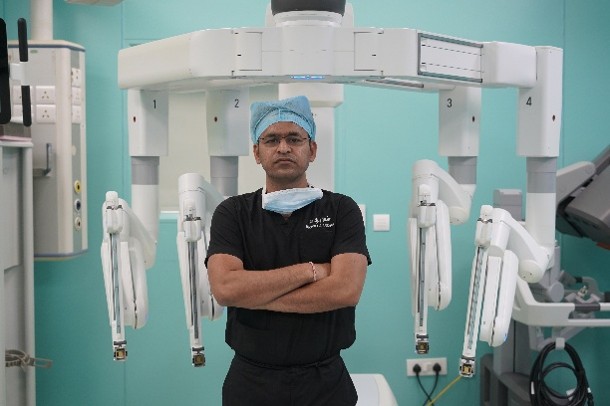
Considering the sudden neurological symptoms, the team under Dr Chirag Gupta, Neurologist, Yatharth Super Speciality Hospital, evaluated the patient for a possible acute stroke. An MRI brain with stroke protocol and MR angiography showed no evidence of acute cerebral infarction, while CT of the head also showed no acute intracranial haemorrhage or infarction. CT angiography of the brain and neck vessels showed no significant abnormality.
Further investigations, however, revealed several factors requiring attention. The patient had marked thrombocytosis, with platelet counts of approximately 10 lakhs during evaluation. Peripheral smear showed macrocytic anaemia marked with thrombocytosis, while testing for myeloproliferative neoplasia. Carotid Doppler showed partially calcified plaques in both carotid bulbs, but without significant narrowing.
Based on the clinical symptoms and evaluation, the patient was diagnosed with Transient Ischaemic Attack (TIA) along with hypertension, diabetes, essential thrombocytosis. She was managed medically with appropriate treatment and evaluated by the relevant specialities, including haematology and endocrinology. Following stabilisation and treatment, she responded well and was discharged in a stable condition.
Dr Chirag Gupta, Senior Consultant - Neurology at Yatharth Super Speciality Hospital, Omega-1, Greater Noida, said,
“The most important message is that a patient does not have to wait for permanent weakness or a visible brain injury on a scan before seeking help. Sudden weakness, speech difficulty, imbalance or vision changes, even if they disappear need urgent neurological evaluation. BEFAST is a simple way for families to recognise these warning signs and act quickly. A TIA may be temporary, but it should never be considered harmless, as it can indicate an increased risk of a future stroke.”
The case underlines why BEFAST awareness is particularly important. In this patient, the sudden arm/side weakness and previous speech disturbance were warning signs that warranted immediate medical evaluation. Although imaging did not show an established acute infarction, timely assessment helped identify the episode as a TIA and allowed the underlying risk factors to be evaluated and managed.
On World Stroke Day, doctors urge people to remember: “Symptoms that disappear are still symptoms that matter.” If any BEFAST warning sign appears, do not wait for it to resolve; seek emergency medical care immediately.