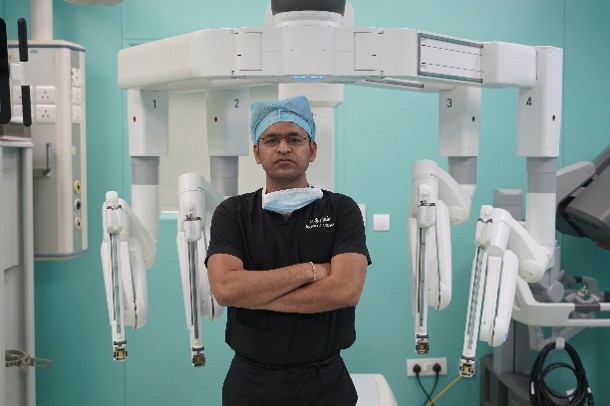
Hyderabad, Sep 08: Prostate cancer can develop without noticeable symptoms in its early stages, making awareness of age, family history and individual risk particularly important for men over 50. During Prostate Cancer Awareness Month, doctors at CARE Hospitals are urging men not to wait for urinary problems to appear before discussing prostate health and appropriate evaluation with their doctor.
The burden of prostate cancer is receiving renewed global attention. In its Prostate Cancer Awareness Month 2026 update, published in August 2026, the International Agency for Research on Cancer, the cancer agency of the World Health Organization, reported that more than 1.5 million cases of prostate cancer were diagnosed worldwide in 2024, accounting for almost 8% of the global cancer burden. Prostate cancer was the second most commonly occurring cancer among men worldwide.
India, too, is seeing a growing prostate cancer burden. According to projections from the Indian Council of Medical Research National Cancer Registry Programme, prostate cancer cases in the country were projected to increase from 41,532 in 2020 to 47,068 in 2025 a rise of more than 13% in five years. With prostate cancer risk increasing with age, doctors say greater awareness is becoming increasingly important as India’s population ages.
One of the challenges with prostate cancer is that early-stage disease may not produce obvious warning signs. A man can feel healthy and continue his normal routine while the disease remains undetected. Age is among the most important risk factors, with the likelihood of developing prostate cancer increasing as men grow older. Family history is also significant, particularly for men whose father, brother or another close relative has been diagnosed with the disease.

“One of the biggest misconceptions is that prostate cancer will always cause urinary symptoms. Early prostate cancer may cause no symptoms at all. The risk increases with age, particularly after 50, and family history can further increase an individual’s risk. Men should not wait for symptoms to become troublesome before discussing prostate health with their doctor. Based on age, family history, symptoms and individual risk, the doctor can advise whether further evaluation is appropriate.”
While early prostate cancer can remain silent, persistent changes in urinary habits should not be ignored. Difficulty starting urination, a weak or interrupted urine stream, increased frequency of urination, particularly at night, difficulty emptying the bladder completely, pain or burning during urination, or blood in the urine or semen should be medically evaluated. Persistent pain in the lower back, hips or pelvis may also require assessment, particularly when accompanied by other concerning symptoms.
Doctors emphasise, however, that urinary problems do not automatically mean prostate cancer. Benign enlargement of the prostate becomes increasingly common with age and can produce similar symptoms. Infections and other prostate conditions can also affect urination. The concern is that some men may dismiss persistent changes as a normal consequence of ageing and delay seeking medical advice.
A Prostate-Specific Antigen (PSA) blood test is one of the tools doctors may consider while assessing prostate health. An elevated PSA level does not, by itself, confirm prostate cancer. PSA levels can also rise due to benign prostate enlargement, inflammation and other conditions. The result therefore needs to be interpreted in the context of the man's age, clinical findings, family history and overall risk, with further investigations recommended when clinically appropriate.

“Prostate cancer does not behave the same way in every patient. Some cancers grow slowly and selected patients may be managed through active surveillance, while clinically significant or aggressive cancers may require surgery, radiation therapy, hormone therapy or other systemic treatments. When clinically significant prostate cancer is identified before it has spread, we generally have a broader range of treatment options. The objective is timely and accurate diagnosis followed by treatment tailored to the patient and the biology of the cancer.”
Doctors also caution against some common misconceptions surrounding prostate cancer. The absence of urinary symptoms does not rule out early disease, while a high PSA result does not automatically mean cancer. Similarly, a diagnosis of prostate cancer does not mean every patient requires immediate surgery. Treatment decisions depend on the stage and grade of the cancer, PSA levels, age, overall health, patient preferences and the likely behaviour of the tumour.
CARE Hospitals emphasised that prostate cancer awareness should not create fear or encourage indiscriminate testing. Instead, the focus should be on helping men understand their individual risk and have an informed conversation with their doctor about whether and when prostate evaluation is appropriate. Men with a significant family history or other risk factors may need to begin that conversation earlier.
With prostate cancer cases in India projected to have risen by more than 13% between 2020 and 2025, doctors say prostate health needs to become a more routine part of men’s health conversations. Persistent urinary changes should be medically evaluated rather than automatically attributed to ageing, while men over 50 should understand their risk even when they feel completely healthy.
This Prostate Cancer Awareness Month, CARE Hospitals is reinforcing a simple message: prostate cancer may not give an early warning. Know your risk, do not ignore persistent changes and speak to your doctor about prostate health rather than waiting for symptoms to appear.