Hyderabad, Nov 04: A persistent cough, breathlessness or repeated chest infections are often mistaken for seasonal illnesses or common respiratory problems. However, these symptoms can sometimes indicate a serious underlying condition, including lung cancer. Marking Lung Cancer Awareness Month this November, doctors at CARE Hospitals have urged people, including non-smokers, not to ignore warning signs and to seek timely medical advice, particularly as air pollution and other environmental exposures contribute to lung cancer risk.
According to GLOBOCAN 2024 estimates released by the International Agency for Research on Cancer in July 2026, India recorded an estimated 1,12,659 new lung cancer cases and 98,687 deaths in 2024. Lung cancer accounted for approximately 7.2% of new cancer cases but nearly 11% of cancer-related deaths, making it the leading cause of cancer mortality in the country.
While smoking remains the leading risk factor, lung cancer can also affect people who have never smoked. Long-term exposure to air pollution, second-hand smoke and occupational hazards such as asbestos can increase the risk. Fine particulate matter from vehicle emissions, industrial activities and fuel combustion can penetrate deep into the lungs and contribute to cellular damage over time.
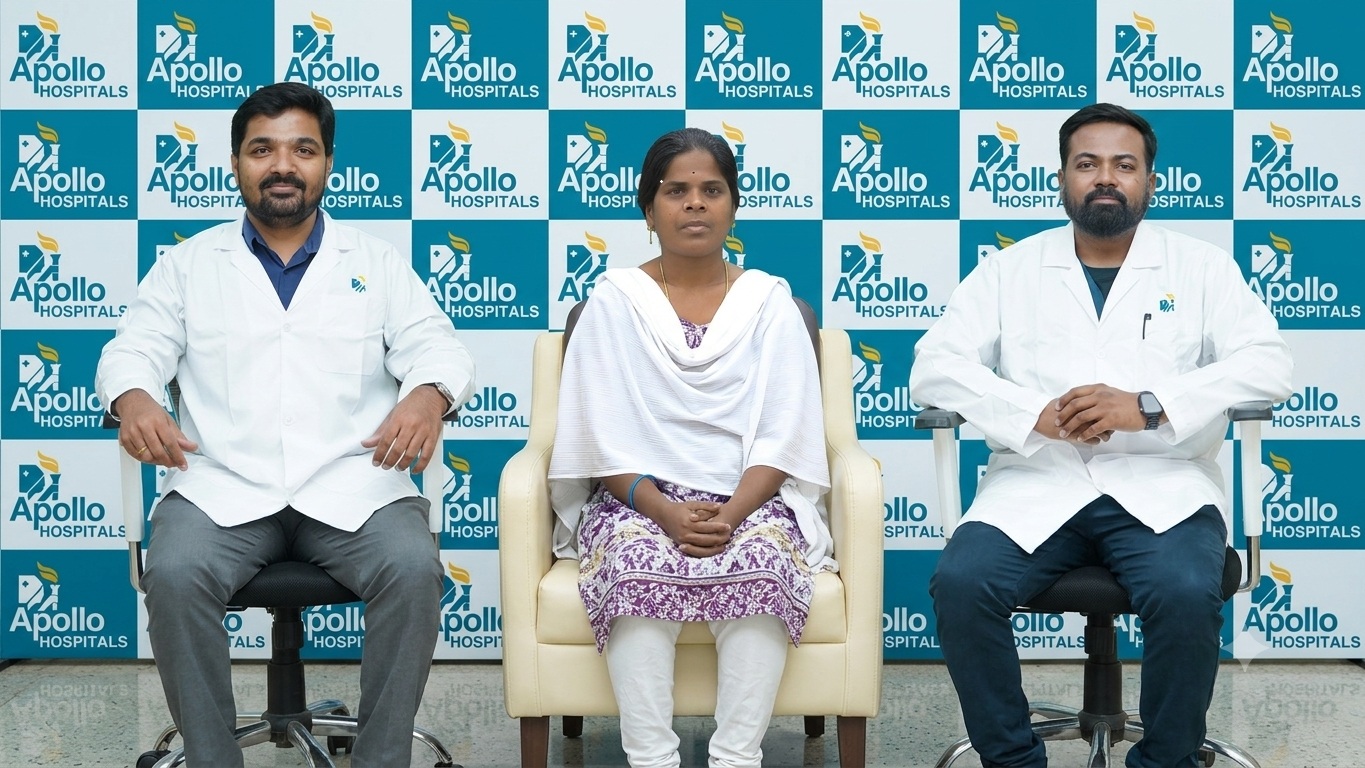
Highlighting these risks, Dr. Sudheer Nadimpalli, Senior Consultant Interventional Pulmonologist & Sleep Medicine Specialist, CARE Hospitals, Hitech City, explained,
“Smoking remains the biggest risk factor for lung cancer, but it is not the only one. Long-term exposure to polluted air can increase the risk even among non-smokers. People often ignore a persistent cough or breathlessness, assuming it is due to pollution or a minor infection. While most coughs are not caused by cancer, symptoms lasting more than three weeks should be evaluated, particularly when accompanied by unexplained weight loss, chest pain or repeated chest infections.”
Doctors caution that lung cancer symptoms may resemble tuberculosis, asthma or chronic bronchitis, sometimes delaying diagnosis. Depending on the clinical findings, evaluation may involve chest imaging, biopsy and additional tests to determine the type and stage of cancer.
Dr. Saadvik Raghuram Y, Director – Medical Oncology & Hemato-Oncology, CARE Hospitals, Banjara Hills, highlighted that delayed diagnosis remains a major challenge.
“Lung cancer may not produce noticeable symptoms in its early stages. Many patients seek medical attention only when symptoms begin affecting their daily activities. By then, the disease may have progressed. Detecting lung cancer early can provide more treatment options, including potentially curative treatment in suitable cases.”
Explaining advances in treatment, the oncologist noted that lung cancer is broadly classified into non-small cell lung cancer and small cell lung cancer, with treatment depending on the type, stage and biological characteristics of the tumour. Surgery, chemotherapy, radiation therapy, targeted therapy and immunotherapy may be used individually or in combination.
“Molecular testing has changed how we treat certain types of lung cancer. We can now identify specific genetic alterations, such as EGFR mutations or ALK rearrangements, and select targeted therapies for eligible patients. Immunotherapy has also expanded treatment options. These advances have improved disease control and outcomes in some patients, although treatment response varies from person to person,” the Dr. Saadvik explained.
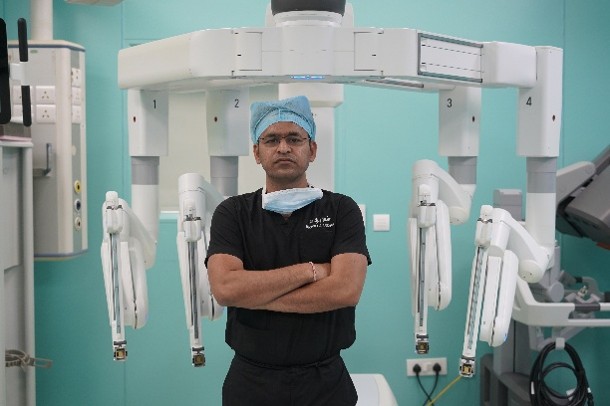
Highlighting the role of surgery, Dr. Rahul Reddy Levaka, Senior Consultant Surgical Oncologist, CARE Hospitals, Hitech City, explained that surgery remains an important component of curative treatment for selected patients diagnosed with early-stage lung cancer. He emphasised that advances in minimally invasive techniques, particularly robotic-assisted thoracic surgery, have been a game changer in the surgical management of lung cancer.
“Robotic-assisted surgery has been a game changer in lung cancer treatment. It allows major lung resections to be performed through small incisions with greater precision and visualisation, resulting in less postoperative pain, reduced blood loss, shorter hospital stays and faster recovery. Patients can regain mobility and return to routine activities sooner, making a significant difference to their recovery and quality of life. However, surgery is not required for every patient. The decision depends on the stage of the disease, its extent and the patient’s overall health, with a multidisciplinary team determining the most appropriate treatment,” he explained.
“ A cancer diagnosis can be frightening for patients and their families. However, treatment options have improved significantly, and advances in surgery, targeted therapy and immunotherapy have brought new hope to many patients. What matters is identifying the disease at the right time, understanding its characteristics and choosing the most appropriate treatment plan. Patients should not lose hope or delay medical consultation,” Dr. Rahul added.
The medical oncologist further emphasised that a lung cancer diagnosis does not mean there are no treatment options. While early-stage disease may be treated with curative intent, appropriate treatment for advanced cancer can help control disease progression, relieve symptoms and improve quality of life.
Doctors advise that coughing up blood requires prompt medical assessment, while sudden or severe breathing difficulty needs emergency medical attention.
To reduce preventable risks, doctors recommend avoiding tobacco, limiting exposure to second-hand smoke and heavily polluted air, and following workplace safety precautions. Low-dose CT screening may be considered for eligible high-risk individuals, particularly those with a significant smoking history, following medical consultation.
As part of Lung Cancer Awareness Month, CARE Hospitals emphasised that greater public awareness, timely diagnosis and appropriate treatment are essential to improving lung cancer outcomes. Recognising persistent symptoms and seeking medical advice without delay can make a meaningful difference.