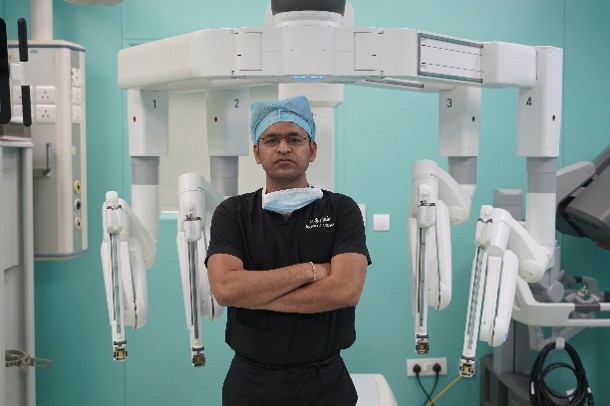
By:-Dr. Srikanth K V, Senior Consultant & Additional Director – Advanced Heart Failure & Cardiac Transplantation, KIMS Hospitals, Electronic City, Bengaluru
The conversation about obesity in cardiology clinics has changed significantly over the past decade. Where it was once framed primarily as a lifestyle observation, it is now understood as a direct clinical intervention. Losing weight, for a patient carrying excess body fat, is not a cosmetic goal that sits alongside heart care. For many patients, it is heart care, and cardiologists are increasingly explicit about making that case.
The Mechanism Is Not Abstract
Excess body fat, particularly visceral fat concentrated around the abdominal organs, does not simply sit passively. It is metabolically active tissue that produces inflammatory cytokines, disrupts insulin signaling, raises circulating triglycerides, lowers HDL cholesterol, and contributes to sustained low-grade systemic inflammation.
Each of these effects, independently and in combination, damages the vascular endothelium, the inner lining of blood vessels, and accelerates the atherosclerotic process that eventually narrows coronary arteries.
A body mass index above 30 is associated with a two to three times higher risk of coronary heart disease. However in India , the cut off is above 27 in view of higher proportion of fat in body for the same BMI when compared to western population.
Obesity raises the risk of heart failure, including the increasingly recognised form called heart failure with preserved ejection fraction, where the heart's pumping function appears intact but the muscle has stiffened in ways that prevent normal filling.
It raises the risk of atrial fibrillation, the most common sustained cardiac arrhythmia, by approximately 50 per cent for every five-unit increase in BMI. It increases the likelihood of sudden cardiac death through mechanisms including ventricular hypertrophy and altered electrical conduction.
The Blood Pressure and Diabetes Multiplier
Obesity rarely exists in isolation in the cardiovascular risk profile. It clusters with hypertension, type 2 diabetes, and obstructive sleep apnoea in a pattern that cardiologists call metabolic syndrome. Each of these conditions damages the cardiovascular system through overlapping mechanisms, and together they compound the risk in ways that are considerably greater than the sum of their individual contributions.
A patient with obesity, hypertension, and diabetes has a cardiovascular risk profile that warrants aggressive management regardless of whether they have yet experienced a cardiac event.
What Weight Loss Actually Does to the Heart
The cardiovascular benefits of intentional weight loss are measurable and clinically significant.
-
A five to ten per cent reduction in body weight produces meaningful reductions in blood pressure, fasting glucose, and triglycerides.
-
It reduces the left ventricular mass that hypertension and obesity drive upward over time.
-
It improves the lipid profile.
-
It reduces systemic inflammation as measured by CRP.
What Cardiologists Want Patients to Hear
The first thing is that weight loss is a cardiac intervention, not a cosmetic one. When a cardiologist brings it up in clinic, it belongs in the same conversation as blood pressure medication and antiplatelet therapy.
The second is that the approach matters. Crash diets and extreme caloric restriction produce short-term results that are rarely sustained and can cause muscle loss alongside fat loss, which is not the goal. Sustainable dietary modification, increased physical activity appropriate to the patient's cardiovascular capacity, and, in appropriate candidates, pharmacological or surgical weight management are the tools that produce durable cardiovascular benefit.
The third is that starting is more important than perfection. Even modest, sustained weight reduction changes the cardiovascular risk trajectory in ways that compound favourably over years. The patient who loses seven per cent of their body weight and keeps it off for five years has done something meaningfully protective for their heart. That message does not always get communicated clearly enough in busy clinics, and it should.