
Mumbai: The deterioration in air quality following Diwali celebrations has once again highlighted the serious health consequences of air pollution, particularly its impact on brain health. While respiratory and cardiac complications are widely discussed, exposure to polluted air can also affect the brain, potentially increasing the risk of neurological disorders, stroke and cognitive impairment. According to recent reports, Mumbai witnessed a significant post-Diwali pollution spike on November 8–9, 2026. The city's AQI reached 171 on November 9, while eight monitoring locations recorded poor air quality. In several neighbourhoods, pollution levels crossed the 200 mark, with fine particulate matter (PM2.5) identified as a major contributor following widespread firecracker use.
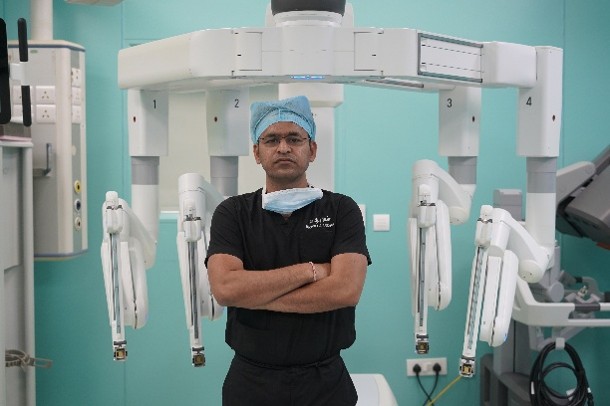
Dr. Pavan Kishore Pai, Consultant Interventional Neurologist & Stroke Specialist at Wockhardt Hospitals, Mira Road, explains that fine particulate matter, particularly PM2.5, can enter the bloodstream through the lungs and trigger inflammation and oxidative stress. These processes can affect blood vessels, including those supplying the brain, potentially increasing the risk of cerebrovascular complications.
"Air pollution is not just a problem for our lungs; it is also a growing concern for our brain. Fine particles released by firecrackers, vehicle emissions and industrial activities can trigger inflammation, oxidative stress and damage to the vascular system. Over time, these mechanisms may contribute to an increased risk of stroke, impaired cognitive function and deterioration in neurological health. People with existing neurological conditions, senior citizens and children deserve particular attention during periods of deteriorating air quality," says Dr. Pavan Kishore Pai.
Research increasingly links long-term exposure to air pollution with an increased risk of stroke, cognitive decline and neurodegenerative conditions. Short-term exposure to high pollution levels may also aggravate existing health problems and affect vulnerable individuals.
Dr. Pavan Kishore Pai advises citizens to monitor daily AQI levels, avoid outdoor exercise during high-pollution hours, use well-fitted N95 masks when outdoor exposure is unavoidable and maintain good indoor ventilation with appropriate air filtration. People should also avoid unnecessary exposure to firecracker smoke.
At Wockhardt Hospitals, Mira Road, specialists emphasise that protecting brain health requires greater awareness of environmental risk factors. Sudden facial weakness, difficulty speaking, loss of balance or weakness in an arm or leg should never be ignored, as these may be warning signs of a stroke requiring immediate medical attention. The message is clear: Cleaner air is not just essential for healthier lungs; it is equally important for a healthier brain.