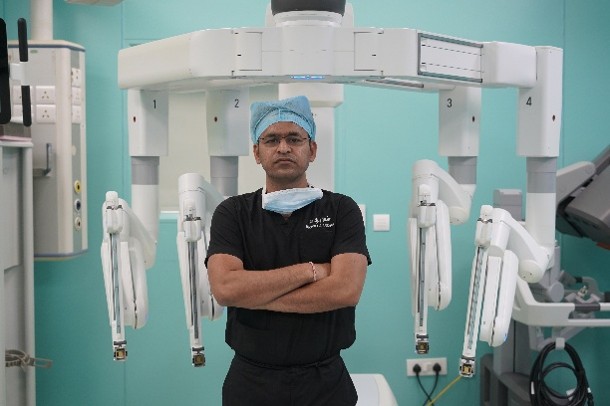

Dr Krishna Reddy Taduri,Consultant Endocrinologist,KIMS Hospitals, Kondapur
The fast-paced urban lifestyle, prolonged hours of sitting at work, reduced physical activity and changing food habits are contributing to the growing burden of diabetes. Once considered predominantly a disease affecting older adults, diabetes is increasingly being diagnosed among younger people as well. In metropolitan cities such as Hyderabad, sedentary IT and corporate jobs, work-related stress, inadequate sleep and lack of regular exercise are emerging as important risk factors.
One of the major challenges with diabetes is that it can remain undetected for several years, particularly in people with Type 2 diabetes, as symptoms may not be obvious during the early stages. Many individuals become aware of their condition only after complications begin to develop. Therefore, early screening, timely diagnosis and appropriate medical care are essential to prevent long-term health consequences.
World Diabetes Day is observed every year on November 14 to raise awareness about diabetes, its prevention and effective management. The 2026 campaign theme, "Early Action on Diabetes," emphasises the importance of identifying the disease at an early stage, reducing risk factors and ensuring timely access to appropriate healthcare.
Diabetes occurs when blood glucose levels remain persistently elevated due to inadequate insulin production or the body's inability to use insulin effectively. Common symptoms include excessive thirst, frequent urination, increased hunger, unexplained weight loss, fatigue and blurred vision. However, Type 2 diabetes often develops gradually without prominent symptoms. Individuals with a family history of diabetes, those who are overweight or obese, people with sedentary lifestyles and those with high blood pressure should undergo regular blood glucose screening.
Serious Complications if Left Uncontrolled
If diabetes is not diagnosed and managed appropriately, it can lead to several serious complications, including heart disease, stroke, kidney failure, vision impairment, nerve damage and diabetic foot ulcers. Persistently elevated blood glucose levels can gradually damage blood vessels and nerves, affecting multiple organs.
Managing diabetes involves more than controlling blood glucose levels. It is equally important to monitor blood pressure and cholesterol levels. Regular eye examinations, kidney function tests and foot assessments are essential for identifying complications at an early stage and preventing further damage.
Lifestyle Changes Play a Crucial Role
Lifestyle modification is one of the most effective ways to prevent or delay the onset of Type 2 diabetes and improve blood glucose control among those already diagnosed. Individuals should aim for at least 30 minutes of walking or other physical activity every day.
A balanced diet containing adequate fibre, vegetables, green leafy vegetables, pulses and whole grains should be encouraged. Consumption of sugary foods, soft drinks, foods rich in unhealthy fats and highly processed products should be reduced. Maintaining a healthy body weight, getting adequate sleep and managing stress are equally important.
People diagnosed with diabetes should never discontinue or modify their prescribed medication without consulting their doctor. Regular blood glucose monitoring and adherence to medical advice regarding medication, diet and exercise are essential for effective long-term management. With early diagnosis, continuous monitoring and appropriate treatment, people with diabetes can lead healthy and productive lives.
Choose Whole Grains and Millets
Dietary choices play an important role in diabetes management. Whenever possible, individuals should choose less-refined grains, including brown rice and hand-pounded rice, instead of highly polished rice. Whole grains retain more dietary fibre, which helps slow glucose absorption and supports better blood sugar control.
Millets such as pearl millet (bajra), sorghum (jowar), barley, finger millet (ragi) and foxtail millet are also useful additions to a balanced diet. These grains provide dietary fibre and other nutrients and can be incorporated into everyday meals in different forms.
Include Fibre-Rich Vegetables
Vegetables such as ridge gourd, okra, brinjal, tomatoes and pumpkin, along with green leafy vegetables such as amaranth, spinach and fenugreek leaves, should be included regularly in meals. These provide fibre and essential nutrients.
While preparing special dishes, particularly during festivals, it is advisable to limit the use of cream, vanaspati and foods containing excessive amounts of fat. Deep-fried and calorie-dense preparations should also be consumed sparingly.
For cooking, oils containing unsaturated fats can be used in moderation. Sunflower and safflower oils contain polyunsaturated fats, while sesame and olive oils provide monounsaturated fats. It is advisable to use cooking oils in limited quantities rather than relying on any single oil as a solution for diabetes control.
Make Informed Choices While Eating Fruits
Fruits provide essential vitamins, minerals and dietary fibre. Guava, papaya, jamun, oranges and watermelon can be included in appropriate portions as part of a balanced diet. However, portion size is important, even when consuming fruits with relatively lower sugar content.
Rather than drinking fruit juices, consuming whole fruits is preferable because whole fruits retain their fibre and generally have a lower impact on blood glucose levels. People with diabetes should be mindful of portion sizes and individual glucose responses, including when eating naturally sweet fruits such as custard apples.
Limit Sweets and Sugary Foods
Sweets prepared with milk and sugar, honey, jams, jellies, cakes and pastries can contribute to excessive sugar and calorie intake. It is advisable to limit these foods, particularly for individuals with diabetes or those at high risk of developing the condition.
During festivals and special occasions, sweets may be consumed occasionally in small portions, provided they are accounted for within the overall meal plan. Regular physical activity should be maintained, but exercise should not be considered a way to cancel out excessive sugar consumption.
Ultimately, diabetes management requires a consistent approach that combines early detection, medical supervision, healthy food choices and regular physical activity. Awareness and timely intervention can significantly reduce the risk of complications and help individuals maintain a better quality of life.