July 28: FDA-approved gene therapies have shown that modifying a patient’s own blood‑forming stem cells can significantly reduce complications of sickle cell disease. Now, an early‑stage clinical trial is studying a different approach - one designed to directly modify the gene that causes the disease.
Children’s Hospital Los Angeles is one of three pediatric centers in the country participating in this phase 1/2 trial.
Called RESTORE, the study is evaluating the safety of an investigational therapy called nula‑cel, which uses this gene‑editing method.
“One of the central questions in sickle cell gene therapy is whether directly modifying the beta-globin gene could ultimately help address the root cause of the disease,” says Ashley N. Gray, MD, MS, the site principal investigator and Director of Gene Therapy for Hemoglobinopathies in the Cancer and Blood Disease Institute at CHLA. “This study is an early step in exploring that question.”
A different gene-editing approach
The trial is a single‑arm clinical study for patients with severe sickle cell disease. Sponsored by Kamau Therapeutics, it is currently enrolling adults ages 18 and older, with enrollment anticipated to expand to children as young as 12 later in the year.
Like existing gene therapies for sickle cell disease, the investigational approach being studied in RESTORE involves collecting a patient’s own blood‑forming stem cells, modifying them outside the body, and reinfusing them following chemotherapy.
Where nula‑cel differs is in its gene‑editing strategy. Current FDA‑approved gene therapies—Casgevy and Lyfgenia—change how hemoglobin is produced without altering the disease‑causing mutation. Nula‑cel is designed to directly modify the beta‑globin gene itself, rather than altering related pathways.
If the approach is shown to be safe, future studies would then be needed to examine whether directly modifying the beta‑globin gene leads to meaningful clinical benefit, including changes in the proportion of sickled red blood cells over time.
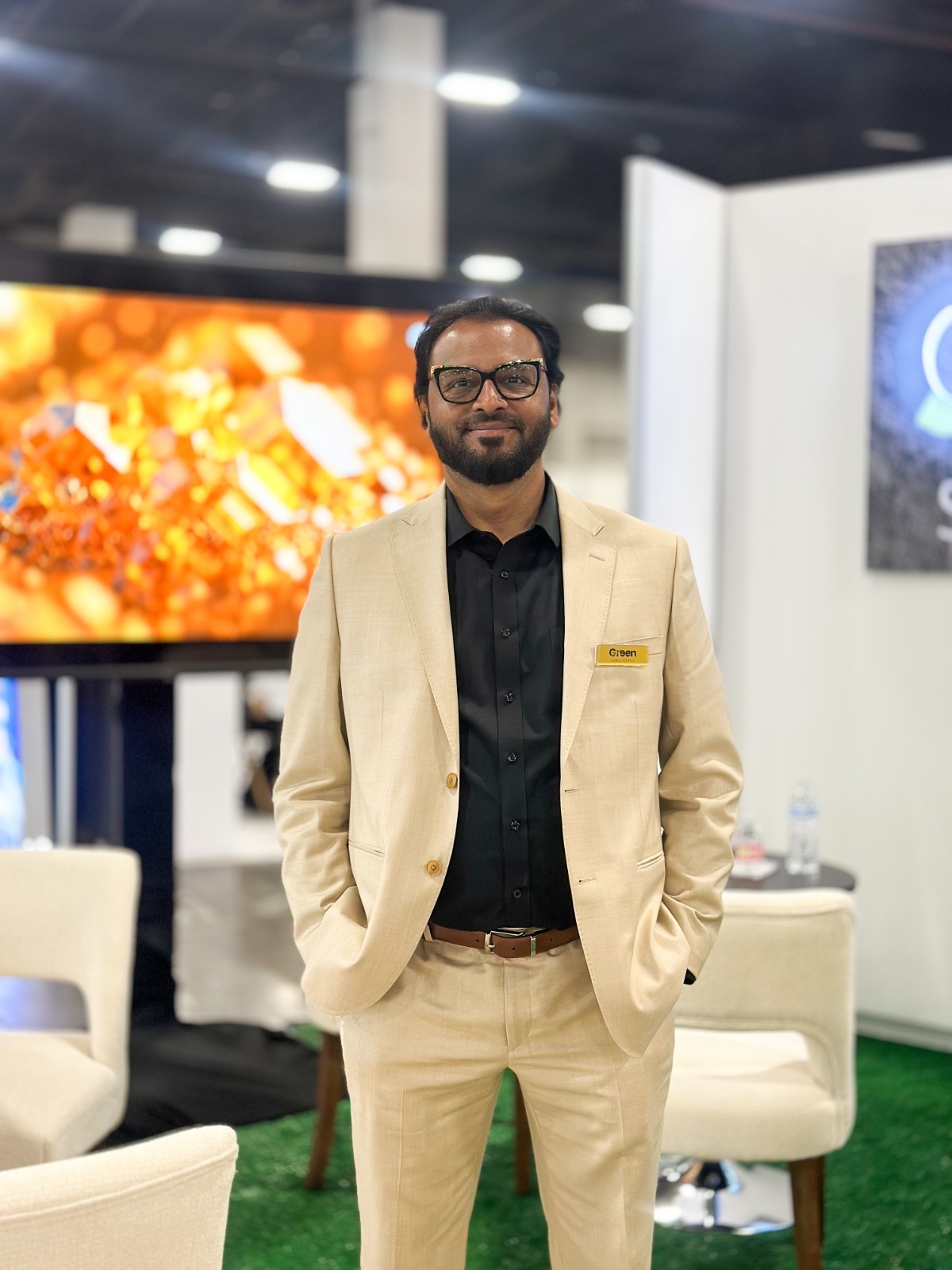
Ashley Gray, MD, MS
Studying tomorrow’s therapies
A national leader in cell and gene therapy, Children's Hospital Los Angeles offers both Casgevy and Lyfgenia as part of clinical care for eligible patients and is also home to one of the top pediatric sickle cell programs on the West Coast.
Thomas Coates, MD
Thomas Coates, MD, Section Head of Hematology at CHLA and a physician‑researcher focused on sickle cell disease, adds that it is important for clinical trials to begin studying sickle cell gene therapies in younger populations, not just adults.
“The majority of children in the U.S. with sickle cell disease now survive into adulthood—but that doesn’t mean they’re well,” says Dr. Coates, citing long‑term complications that can affect the brain, bones, eyes, and kidneys.
“Gene therapy offers the potential to change the trajectory of disease before children develop long‑term irreversible complications,” he explains. “The earlier we can safely treat patients, the better. That’s why research in pediatric populations is so critical.”
The RESTORE trial is one example of research efforts aimed at expanding understanding of how emerging gene‑editing strategies may fit into the evolving treatment landscape.
“As gene therapy becomes part of standard care, it’s just as important to rigorously study new approaches,” says Dr. Gray. “Our role is to offer today’s approved therapies while also helping to carefully evaluate future options for patients.”