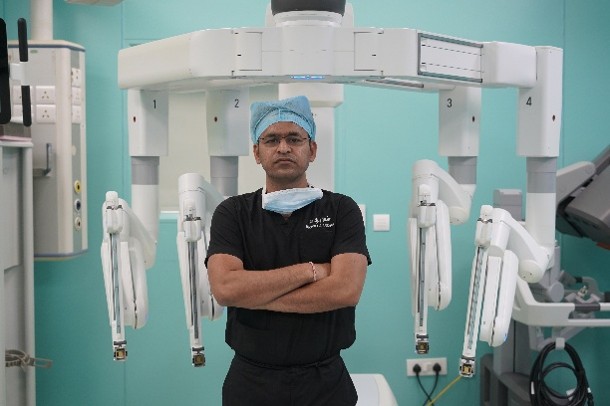

-Dr. Venkata Mukunda M, Associate Consultant, Cardiovascular and Thoracic Surgery (CTVS), Aster RV Hospital, Bangalore
Both "cardiac attack" and "heart attack" mean the same thing. However, the more medically accurate term for it is myocardial infarction (MI). It happens when the blood supply to a portion of the heart muscle becomes blocked – usually due to a blood clot in one of the coronary arteries. When this obstruction is not cleared within a timely fashion, the heart muscle can get damaged or even die. It should be noted that the term "cardiac attack" is less often used medically and may bring about confusion in cases of different cardiac emergencies. Cardiac arrest and heart attack are not the same things. In the case of a heart attack, the heart keeps on beating, but during cardiac arrest, the heart stops pumping the blood.
Which is more concerning?
When you refer to "cardiac attack" as a heart attack, there is nothing more or less concerning since both the terms mean one and the same thing. Immediate medical help is required in the case of a heart attack.
But cardiac arrest is an even more immediate threat to one’s life. Without swift CPR and defibrillation where necessary, death may result after only a few minutes. Heart attack signs may include pain or pressure in the chest, difficulty breathing, sweating, feeling nauseous, extreme fatigue, or pain radiating into the arm, shoulder, back, neck, or jaw.
Different people experience different symptoms, especially females and elderly persons. If one is experiencing symptoms that point to a heart attack, do not hesitate; seek medical help right away.
What are the major risk factors and how can a heart attack be prevented?
Several factors can increase a person's risk of experiencing a heart attack. High blood pressure, diabetes, elevated cholesterol, obesity, smoking, excessive alcohol consumption and physical inactivity are among the major contributors. A family history of cardiovascular disease and increasing age can also raise the risk. Chronic stress, poor sleep and unhealthy dietary habits may further affect cardiovascular health. Importantly, heart attacks are not restricted to older adults; younger individuals can also experience them, particularly when multiple risk factors are present.
Prevention involves adopting healthier lifestyle habits and managing existing medical conditions. A balanced diet rich in fruits, vegetables, whole grains and fibre, along with reduced consumption of saturated fats, trans fats and excess salt, can support heart health. Regular physical activity, maintaining a healthy weight, avoiding tobacco and limiting alcohol consumption are equally important. People with diabetes, hypertension or high cholesterol should undergo regular health check-ups and follow their prescribed treatment.
It is also important to recognise that heart attacks can sometimes occur without obvious warning signs. Regular monitoring of blood pressure, blood sugar and cholesterol levels can help identify underlying risks early. Individuals should never ignore unusual chest discomfort, breathlessness or unexplained fatigue, even if the symptoms appear mild or disappear temporarily. Prompt medical attention can significantly reduce the risk of serious heart muscle damage and other complications.