India’s domestic travel economy is entering a new phase, with pilgrimage and religious journeys emerging as one of the strongest drivers of overnight travel. A recent government survey indicates that nearly half of India’s domestic overnight trips are linked to pilgrimage and religious purposes, highlighting the growing economic importance of faith-based travel.
The finding is significant because pilgrimage is no longer limited to a short visit to a religious site. Travellers are increasingly spending on accommodation, food, local transport, shopping, sightseeing and other services, creating a wider economic ecosystem around major destinations.
The trend could have a lasting impact on the future of India’s travel economy. As more people travel within the country, demand for hotels, homestays, restaurants, buses, taxis, rail services, travel operators and digital booking platforms is expected to expand around high-footfall destinations.
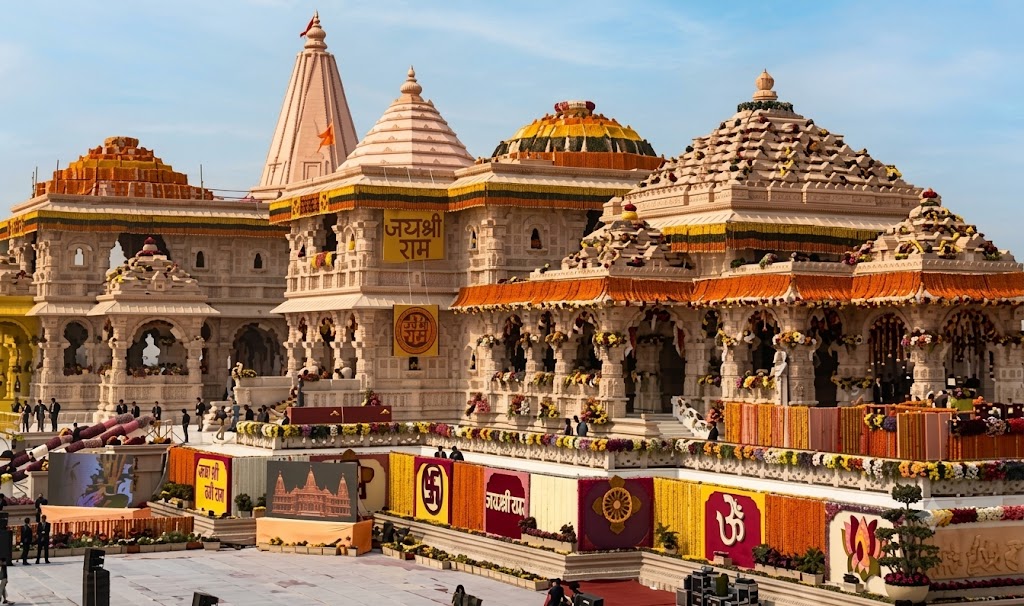
Uttar Pradesh is a major example of this transformation. The state recorded around 646.81 million domestic tourist visits in 2024, according to Ministry of Tourism data, making it one of the biggest centres of domestic travel in the country. Religious destinations such as Ayodhya, Varanasi and Prayagraj are playing an important role in this growth.
The economic impact extends far beyond the main religious sites. A visitor arriving at a pilgrimage destination generates demand across several layers of the local economy. From a hotel room and a meal to an auto-rickshaw ride, a handicraft purchase or a local guide, tourism spending moves through multiple businesses and service providers.
This makes pilgrimage tourism particularly important for smaller businesses and local communities. Street vendors, artisans, shopkeepers, transport operators, restaurants, accommodation providers and other informal-sector workers can benefit from higher visitor movement. In many destinations, tourism can therefore become an additional source of income for households and small entrepreneurs.
The next phase of growth is likely to be driven by better connectivity and infrastructure. Expansion of roads, railway services, airports, accommodation facilities, sanitation, parking, public transport and digital services can make pilgrimage destinations easier to access while improving the overall visitor experience.
The development of integrated pilgrimage circuits could further strengthen the economic impact. Instead of visiting only one religious destination, travellers can be encouraged to explore several nearby cities and attractions. This can increase the length of stay and distribute tourism spending across a wider geographical area.
The emergence of connected spiritual circuits involving destinations such as Ayodhya, Varanasi and Prayagraj shows how religious travel can increasingly become part of a broader tourism experience. Such circuits can combine pilgrimage with heritage, culture, food, shopping and local experiences, creating more opportunities for tourism businesses.
The survey also points to an important shift in the structure of domestic tourism. India’s future travel economy may not depend only on traditional holiday destinations. Religious, cultural, heritage and spiritual journeys could become equally important contributors to domestic travel demand.
This could open new investment opportunities in hospitality, budget accommodation, homestays, transport, travel technology, food services, retail and tourism infrastructure. Businesses may increasingly look beyond major metropolitan tourism markets and invest in emerging pilgrimage and cultural destinations.
Technology will also play a growing role. Digital ticketing, online accommodation, travel apps, digital payments, multilingual information services and location-based tourism platforms can make pilgrimage journeys more convenient. Better use of digital tools can also help small businesses participate in the formal tourism economy.
Employment could be another major beneficiary. A growing tourism ecosystem requires workers across hospitality, transportation, food services, retail, tour operations, maintenance and entertainment. For smaller towns, this can create opportunities without requiring people to migrate to large cities for employment.
The impact could also extend to India's infrastructure economy. Rising visitor numbers can encourage investment in roads, railways, airports, public amenities, urban services and destination management. In this way, tourism demand can become a catalyst for broader regional development.
India’s domestic tourism market already operates at a massive scale. The Ministry of Tourism recorded 4.286 billion domestic tourist visits in 2025, while tourism’s total contribution to the Indian economy was estimated at 5.22 per cent of GDP. The sector also supported around 84.63 million direct and indirect jobs in 2023-24.
Against this backdrop, the latest survey finding on pilgrimage travel offers an important indication of where future domestic tourism growth could come from. The opportunity is not simply about increasing visitor numbers. It is about converting travel demand into longer stays, higher local spending, stronger businesses and sustainable employment.
Over the coming years, pilgrimage destinations could increasingly evolve into broader economic hubs where spirituality, heritage, hospitality, technology and local enterprise come together. If supported by planned infrastructure and responsible tourism development, faith-driven travel could become an important pillar of India’s next-generation domestic travel economy.