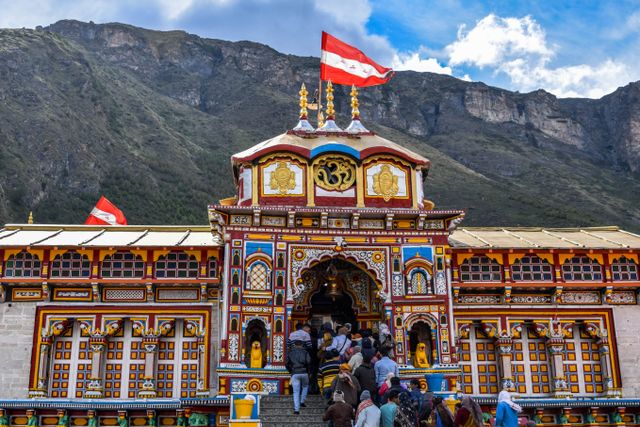
Dehradun, Oct 5: Badrinath Dham is witnessing one of its busiest pilgrimage seasons, with the number of devotees visiting the Himalayan shrine crossing 18.67 lakh this year. The figure has already surpassed the previous record and has put the famous temple on course to cross the 20-lakh mark if the current pace continues.
The latest surge has come during the final phase of the pilgrimage season, when the post-monsoon period and Pitru Paksha have brought another wave of visitors to the shrine. Long queues have been reported around the temple and the Brahma Kapal area, where devotees also perform rituals and offer prayers for their ancestors. More than 60,000 people reportedly visited Brahma Kapal in just eight days during Pitru Paksha.
The latest Badrinath numbers have moved beyond the earlier record set in 2023, when the shrine received about 18.39 lakh devotees, according to the latest reports. With the yatra still continuing, the possibility of a 20-lakh-plus season is now attracting attention.
A strong season for pilgrimage tourism
The rush at Badrinath is part of a larger revival in pilgrimage travel across Uttarakhand. The state's major religious destinations continue to attract visitors even as temperatures begin to fall in the Himalayan region.
The appeal of Badrinath is not limited to the temple itself. For many pilgrims, the journey includes visits to sacred sites, rituals at Brahma Kapal, stays in nearby towns and interaction with local communities.
That movement is also supporting the local tourism economy. Hotels, homestays, restaurants, taxi operators, guides, porters and small shops all benefit from the steady flow of visitors.
Faith and travel come together
The current season also shows how pilgrimage is becoming an important part of India's wider domestic travel story.
For many travellers, a religious journey is no longer simply a temple visit. It can include a family trip, local sightseeing, shopping for religious items, trying regional food and spending time in the surrounding Himalayan towns.
This creates a wider economic impact for destinations such as Badrinath, where thousands of people depend directly or indirectly on the pilgrimage season for their livelihoods.
Managing a record crowd
The growing popularity of Badrinath also brings challenges. A sharp increase in visitors requires careful management of traffic, accommodation, sanitation, waste and emergency services.
The administration has been preparing for the continuing rush, particularly as colder weather sets in and the pilgrimage season moves towards its closing phase. The India Meteorological Department's October 5 Char Dham update showed no weather warning for the Joshimath-Badrinath-Hemkund Sahib sector at the time of its afternoon update.
The record numbers therefore come with a larger responsibility — ensuring that the growing interest in pilgrimage tourism does not put excessive pressure on the fragile Himalayan environment.
For now, however, the focus remains on the remarkable response from devotees. With more than 18.67 lakh pilgrims already visiting Badrinath, the shrine is heading towards a new milestone.
If the flow of visitors continues through the remaining days of the season, 20 lakh pilgrims could become the next landmark in Badrinath's long pilgrimage history.